
Maximizing Resource Efficiency with Case Maker Production Lines: A Comprehensive Guide
2025-05-21
【SUMMARY】Maximizing Resource Efficiency with Case Maker Production Lines
Introduction to Resource Efficiency in Manufacturing
In the fast-paced world of manufacturing, achieving **resource efficiency** is critical for maintaining competitiveness and profitability. This is particularly true in the **电工电气-电子电气产品制造机械** sector, where precision and efficiency can directly affect production costs and product qua
Maximizing Resource Efficiency with Case Maker Production Lines
Introduction to Resource Efficiency in Manufacturing
In the fast-paced world of manufacturing, achieving **resource efficiency** is critical for maintaining competitiveness and profitability. This is particularly true in the **电工电气-电子电气产品制造机械** sector, where precision and efficiency can directly affect production costs and product quality. With the increasing demand for sustainability, manufacturers are now more focused than ever on minimizing waste and maximizing resource utilization.
Understanding Case Maker Production Lines
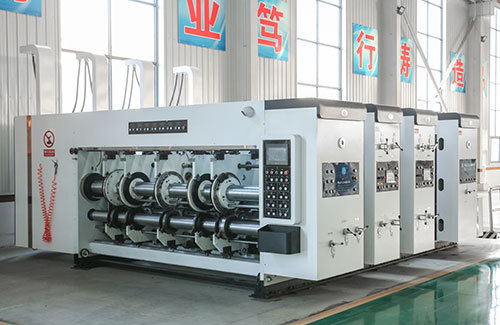
Case maker production lines play a pivotal role in the manufacturing process, especially for products requiring protective casings. These lines are designed to optimally produce cases, ensuring that materials are used efficiently and effectively. By implementing advanced technologies, these machines can significantly reduce waste, enhance speed, and improve overall product quality.
The Role of Automation in Case Maker Production Lines
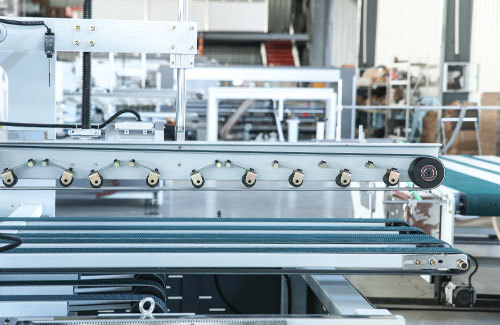
Automation is at the heart of modern case maker production lines. Automated systems not only enhance efficiency but also ensure consistency in production quality. By integrating robotics and smart technologies, manufacturers can streamline their processes, reducing manual errors and improving production rates.
Key Benefits of Automation in Case Making
1. **Reduced Labor Costs**: Automation minimizes the need for manual labor, allowing companies to allocate resources elsewhere.
2. **Increased Production Speed**: Automated systems can operate continuously, significantly increasing output.
3. **Enhanced Quality Control**: With fewer human interventions, the risk of defects is minimized, leading to higher quality products.
Best Practices for Maximizing Resource Efficiency
Implementing best practices can greatly enhance the resource efficiency of case maker production lines. Here are several strategies that can be employed:
1. Optimize Material Usage
Using the right amount of material is crucial in maximizing resource efficiency. Manufacturers should analyze their material inputs and outputs to identify areas for improvement. Techniques such as **just-in-time inventory** can help in reducing excess material usage.
2. Implement Energy-Efficient Technologies
Energy consumption is a significant component of manufacturing costs. Utilizing energy-efficient machinery and processes can lead to substantial savings. For instance, newer case maker machines often utilize less energy while maintaining high performance.
3. Monitor Production Metrics
Regularly monitoring production metrics allows manufacturers to identify inefficiencies in their processes. Key performance indicators (KPIs) such as production speed, waste rates, and energy consumption should be tracked and analyzed.
Common KPIs to Monitor
- **Overall Equipment Efficiency (OEE)**
- **Waste Percentage**
- **Energy Consumption per Unit Produced**
4. Train Workforce on Best Practices
Investing in employee training is essential for maintaining resource efficiency. A well-trained workforce can identify inefficiencies and suggest improvements. Regular training sessions should be conducted to ensure that all employees are up-to-date on best practices and new technologies.
Case Studies: Success Stories in Resource Efficiency
Examining real-world examples of companies that have successfully maximized resource efficiency can provide valuable insights for others in the industry.
Case Study 1: Innovative Solutions Corp.
Innovative Solutions Corp. implemented a new case maker production line that integrates **IoT technology** for real-time monitoring. This allowed them to adjust their processes dynamically, resulting in a 30% reduction in waste and a 20% increase in production speed.
Case Study 2: Eco-Friendly Manufacturing Ltd.
Eco-Friendly Manufacturing Ltd. focused on using sustainable materials in their production lines. By sourcing biodegradable plastics for their casings, they not only reduced their environmental footprint but also appealed to a growing market segment that values sustainability.
The Future of Case Maker Production Lines
As technology continues to advance, the future of case maker production lines looks promising. Innovations such as **augmented reality** for maintenance and virtual simulations for training are on the horizon. These advancements will further enhance efficiency and allow for more flexible production systems.
Integrating AI in Production Lines
Artificial Intelligence (AI) is set to revolutionize manufacturing by providing predictive analytics and enhanced decision-making capabilities. Implementing AI can lead to smarter resource allocation and improved production planning.
Advantages of AI in Case Making
- **Predictive Maintenance**: AI can predict when machines require maintenance, reducing downtime.
- **Demand Forecasting**: AI can analyze market trends to help manufacturers anticipate demand and adjust production accordingly.
Frequently Asked Questions (FAQs)
1. What are case maker production lines?
Case maker production lines are specialized manufacturing systems designed to produce protective casings for electronic and electrical products, ensuring efficiency and quality in the manufacturing process.
2. How can automation improve resource efficiency?
Automation improves resource efficiency by reducing labor costs, increasing production speed, and enhancing product quality through consistent operations.
3. What materials are commonly used in case making?
Common materials include plastics, metals, and composites, with an increasing trend towards sustainable and recyclable materials.
4. How do I track production efficiency?
You can track production efficiency by monitoring key performance indicators (KPIs) such as Overall Equipment Efficiency (OEE), waste percentage, and energy consumption.
5. What is the future of case maker production lines?
The future of case maker production lines includes advancements in AI, IoT technology, and sustainable materials, which will enhance efficiency and flexibility in production processes.
Conclusion
Maximizing resource efficiency in case maker production lines is not just about adopting the latest technologies; it involves a holistic approach that includes optimizing material usage, implementing energy-efficient practices, and continuously training the workforce. By focusing on these areas, manufacturers in the **电工电气-电子电气产品制造机械** industry can enhance their competitiveness and contribute to a more sustainable future. As the industry evolves, those who adapt and innovate will lead the way in efficiency and profitability.
TAG:
Recommended News
Service hotline
Cangzhou Mingyang Machinery Co., Ltd
Tel: 8615903277888
Email: christina@mingyang-machinery.com
Address: Room 1108, Building S4, Cangzhou Wuyue Plaza, Yunquan District, Cangzhou City, Hebei Province