
Unlocking the Versatility of Stitching Machines in Packaging Manufacturing
2025-05-20
【SUMMARY】In the rapidly evolving landscape of packaging manufacturing, stitching machines play a pivotal role in ensuring that products are securely packaged for transportation and storage. These machines are designed to provide high-speed stitching solutions that are essential for a variety of applications, from sealing bags to binding boxes, and they offer a range of benefits that can significantly enhan
In the rapidly evolving landscape of packaging manufacturing, stitching machines play a pivotal role in ensuring that products are securely packaged for transportation and storage. These machines are designed to provide high-speed stitching solutions that are essential for a variety of applications, from sealing bags to binding boxes, and they offer a range of benefits that can significantly enhance production efficiency.
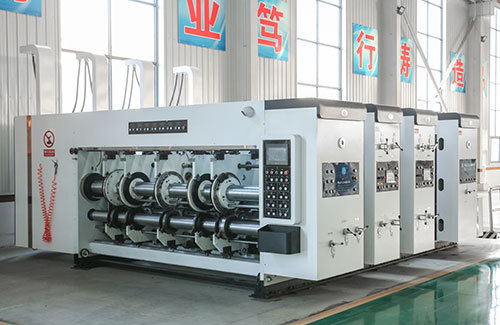
Stitching machines come in various types, including manual, semi-automatic, and fully automatic systems. Their versatility allows them to be used in numerous industries, including food and beverage, textiles, pharmaceuticals, and more. One of the key advantages of stitching machines is their ability to handle different materials, such as paper, cardboard, and plastic, which makes them indispensable in the packaging sector.
The functionality of a stitching machine is particularly notable in its ability to create strong, durable seams. This is vital for ensuring that packages remain intact during shipping and handling. The precision of these machines means that they can produce consistent results, reducing the likelihood of packaging failures that can lead to product damage or loss. Additionally, modern stitching machines are equipped with advanced technology that allows for easy adjustments and customization to meet specific production needs.
In terms of operational efficiency, stitching machines significantly reduce the time required for manual packaging processes. By automating the stitching operation, manufacturers can increase their output and maintain a steady workflow, which is essential in meeting market demands. Furthermore, many stitching machines are designed with user-friendly interfaces, enabling operators to quickly learn and operate the equipment with minimal training.
Another important aspect of stitching machines is their contribution to sustainability in the packaging industry. Many manufacturers are now focusing on eco-friendly materials, and stitching machines can accommodate these innovations without compromising on performance. By using materials that are recyclable or biodegradable, companies can enhance their ecological footprint while still maintaining the integrity and security of their packaged goods.
In conclusion, stitching machines are an integral component of the packaging manufacturing process. Their ability to provide reliable, high-quality stitching solutions makes them essential for businesses seeking to improve their operational efficiency and product safety. As technology continues to advance, the capabilities and applications of stitching machines are expected to expand further, providing exciting opportunities for innovation in the packaging sector. Embracing these machines can lead to enhanced productivity and sustainability, positioning businesses at the forefront of the industry.
Stitching machines come in various types, including manual, semi-automatic, and fully automatic systems. Their versatility allows them to be used in numerous industries, including food and beverage, textiles, pharmaceuticals, and more. One of the key advantages of stitching machines is their ability to handle different materials, such as paper, cardboard, and plastic, which makes them indispensable in the packaging sector.
The functionality of a stitching machine is particularly notable in its ability to create strong, durable seams. This is vital for ensuring that packages remain intact during shipping and handling. The precision of these machines means that they can produce consistent results, reducing the likelihood of packaging failures that can lead to product damage or loss. Additionally, modern stitching machines are equipped with advanced technology that allows for easy adjustments and customization to meet specific production needs.
In terms of operational efficiency, stitching machines significantly reduce the time required for manual packaging processes. By automating the stitching operation, manufacturers can increase their output and maintain a steady workflow, which is essential in meeting market demands. Furthermore, many stitching machines are designed with user-friendly interfaces, enabling operators to quickly learn and operate the equipment with minimal training.
Another important aspect of stitching machines is their contribution to sustainability in the packaging industry. Many manufacturers are now focusing on eco-friendly materials, and stitching machines can accommodate these innovations without compromising on performance. By using materials that are recyclable or biodegradable, companies can enhance their ecological footprint while still maintaining the integrity and security of their packaged goods.
In conclusion, stitching machines are an integral component of the packaging manufacturing process. Their ability to provide reliable, high-quality stitching solutions makes them essential for businesses seeking to improve their operational efficiency and product safety. As technology continues to advance, the capabilities and applications of stitching machines are expected to expand further, providing exciting opportunities for innovation in the packaging sector. Embracing these machines can lead to enhanced productivity and sustainability, positioning businesses at the forefront of the industry.
TAG:
Recommended News
Service hotline
Cangzhou Mingyang Machinery Co., Ltd
Tel: 8615903277888
Email: christina@mingyang-machinery.com
Address: Room 1108, Building S4, Cangzhou Wuyue Plaza, Yunquan District, Cangzhou City, Hebei Province