
Unlocking Efficiency: The Role of Case Maker Machines in Appliance Manufacturing
2025-05-18
【SUMMARY】In the ever-evolving landscape of appliance manufacturing, the case maker machine stands out as a vital tool that enhances the efficiency and quality of production. These machines are designed to automate the process of creating the outer casings of appliances, which can include everything from refrigerators to washing machines. In a competitive market, the integration of case maker machines can s
In the ever-evolving landscape of appliance manufacturing, the case maker machine stands out as a vital tool that enhances the efficiency and quality of production. These machines are designed to automate the process of creating the outer casings of appliances, which can include everything from refrigerators to washing machines. In a competitive market, the integration of case maker machines can significantly impact production timelines and cost-effectiveness.
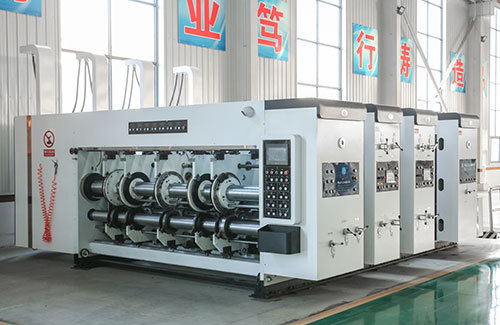
At its core, a case maker machine is engineered to cut, shape, and assemble materials into predefined forms that serve as protective shells for various appliances. This automation not only speeds up the manufacturing process but also reduces the risk of human error, which can lead to defects in the final product. By employing advanced technologies such as CNC machining and robotic arms, these machines ensure that every casing is produced with precision and uniformity, which is crucial for maintaining high standards of quality.
One of the primary advantages of using case maker machines is the versatility they offer. Manufacturers can easily adjust the specifications of the machine to cater to different appliance types and designs. This flexibility allows for rapid prototyping and small-batch production, enabling manufacturers to respond swiftly to market demands and consumer preferences. As trends in appliance design continue to evolve, the ability to quickly pivot and produce new casing designs can provide a significant competitive edge.
Moreover, case maker machines contribute to sustainability efforts within the manufacturing sector. By optimizing material usage and minimizing waste, these machines not only lower production costs but also align with the growing demand for environmentally friendly manufacturing practices. Innovations in materials technology allow for the use of recycled or biodegradable materials, further enhancing the sustainability of the appliance manufacturing process.
In addition to these operational benefits, case maker machines often come equipped with state-of-the-art software that enables manufacturers to track production metrics in real-time. This data-driven approach facilitates continuous improvement, allowing manufacturers to identify bottlenecks and streamline their workflows. Furthermore, the integration of such technologies can significantly enhance product traceability, which is essential for quality control and compliance with industry standards.
In conclusion, case maker machines are indispensable assets in the appliance manufacturing industry. Their ability to enhance efficiency, ensure quality, and promote sustainability makes them a crucial component in modern manufacturing processes. As technology continues to advance, we can expect further innovations in case maker machines, paving the way for more sophisticated and efficient production methods that meet the demands of the future.
At its core, a case maker machine is engineered to cut, shape, and assemble materials into predefined forms that serve as protective shells for various appliances. This automation not only speeds up the manufacturing process but also reduces the risk of human error, which can lead to defects in the final product. By employing advanced technologies such as CNC machining and robotic arms, these machines ensure that every casing is produced with precision and uniformity, which is crucial for maintaining high standards of quality.
One of the primary advantages of using case maker machines is the versatility they offer. Manufacturers can easily adjust the specifications of the machine to cater to different appliance types and designs. This flexibility allows for rapid prototyping and small-batch production, enabling manufacturers to respond swiftly to market demands and consumer preferences. As trends in appliance design continue to evolve, the ability to quickly pivot and produce new casing designs can provide a significant competitive edge.
Moreover, case maker machines contribute to sustainability efforts within the manufacturing sector. By optimizing material usage and minimizing waste, these machines not only lower production costs but also align with the growing demand for environmentally friendly manufacturing practices. Innovations in materials technology allow for the use of recycled or biodegradable materials, further enhancing the sustainability of the appliance manufacturing process.
In addition to these operational benefits, case maker machines often come equipped with state-of-the-art software that enables manufacturers to track production metrics in real-time. This data-driven approach facilitates continuous improvement, allowing manufacturers to identify bottlenecks and streamline their workflows. Furthermore, the integration of such technologies can significantly enhance product traceability, which is essential for quality control and compliance with industry standards.
In conclusion, case maker machines are indispensable assets in the appliance manufacturing industry. Their ability to enhance efficiency, ensure quality, and promote sustainability makes them a crucial component in modern manufacturing processes. As technology continues to advance, we can expect further innovations in case maker machines, paving the way for more sophisticated and efficient production methods that meet the demands of the future.
TAG:
Recommended News
Service hotline
Cangzhou Mingyang Machinery Co., Ltd
Tel: 8615903277888
Email: christina@mingyang-machinery.com
Address: Room 1108, Building S4, Cangzhou Wuyue Plaza, Yunquan District, Cangzhou City, Hebei Province