
Unlock Precision: The Advantages of Using a Rotary Die Cutter Machine
2025-05-05
【SUMMARY】Unlock Precision: The Advantages of Using a Rotary Die Cutter Machine
Table of Contents
1. Introduction to Rotary Die Cutter Machines
2. What is a Rotary Die Cutter?
3. How Rotary Die Cutters Work
4. Advantages of Using Rotary Die Cutters
4.1 Precision and Accuracy
4.2 Versatility in Applications
4.3 Cost-Effectiveness
4.4 S
Unlock Precision: The Advantages of Using a Rotary Die Cutter Machine
Table of Contents
- 1. Introduction to Rotary Die Cutter Machines
- 2. What is a Rotary Die Cutter?
- 3. How Rotary Die Cutters Work
- 4. Advantages of Using Rotary Die Cutters
- 4.1 Precision and Accuracy
- 4.2 Versatility in Applications
- 4.3 Cost-Effectiveness
- 4.4 Speed and Efficiency
- 4.5 Superior Quality and Finish
- 5. Industries Benefiting from Rotary Die Cutters
- 6. Choosing the Right Rotary Die Cutter Machine
- 7. Maintenance and Care for Rotary Die Cutters
- 8. Conclusion
- 9. Frequently Asked Questions (FAQs)
1. Introduction to Rotary Die Cutter Machines
The manufacturing landscape is continuously evolving, with precision and efficiency becoming paramount. In this context, **rotary die cutter machines** have emerged as indispensable tools for businesses seeking to optimize their production processes. This article delves into the numerous advantages these machines offer, showcasing their ability to unlock precision in various applications, from packaging to labels and beyond.
2. What is a Rotary Die Cutter?
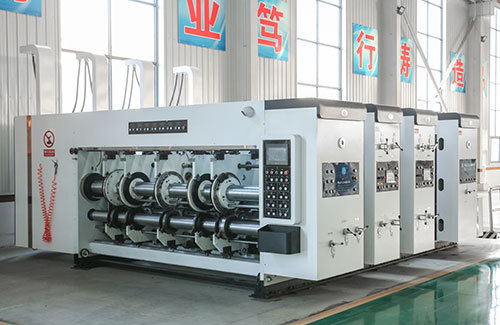
A **rotary die cutter** is a specialized machine designed to cut, shape, and form materials such as paper, cardboard, and plastic through a rotating cylinder equipped with sharp dies. Unlike conventional flatbed die cutters, rotary die cutters utilize a continuous feed of material, enhancing speed and efficiency. This innovative technology caters to high-volume production runs, making it ideal for businesses aiming to streamline their manufacturing processes.
3. How Rotary Die Cutters Work
The operation of a rotary die cutter is straightforward yet highly effective. The machine employs a rotating cylinder, onto which a die—a sharp, precisely shaped tool—is mounted. As the material passes through the machine, the die cuts the material into the desired shape. The continuous feed mechanism allows for rapid processing, reducing downtime and increasing productivity.
The **cutting process** involves several stages, including:
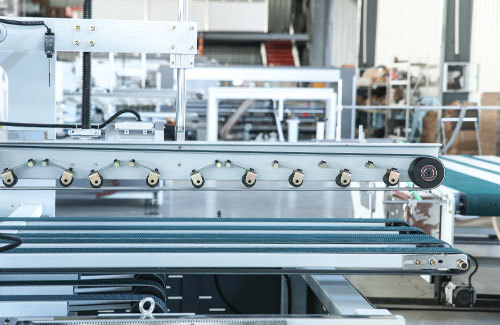
- **Feeding Material**: The material is fed into the machine, often using a conveyor system.
- **Cutting**: As the material rotates, the die interacts with it, executing precise cuts.
- **Ejecting the Finished Product**: Once cut, the finished product is ejected for further processing or packaging.
4. Advantages of Using Rotary Die Cutters
Rotary die cutters offer a multitude of advantages that set them apart from traditional die-cutting methods. Here, we explore these benefits in detail.
4.1 Precision and Accuracy
One of the most significant advantages of rotary die cutters is their **precision**. These machines can produce intricate shapes with tight tolerances, ensuring every cut is uniform and exact. This level of accuracy minimizes waste and maximizes material usage, which is essential for cost-effective production.
4.2 Versatility in Applications
Rotary die cutters are incredibly versatile, making them suitable for a wide range of applications. Whether it’s cutting labels, packaging materials, or custom shapes, these machines can handle diverse materials and thicknesses. The capability to switch dies quickly enhances flexibility, allowing businesses to adapt to varying production needs without significant downtime.
4.3 Cost-Effectiveness
Investing in a rotary die cutter machine can lead to substantial cost savings in the long run. The efficiency of rotary die cutters allows for high-speed production, reducing labor costs and minimizing waste. Additionally, the longevity of the dies used in these machines means that businesses can benefit from lower operational costs over time.
4.4 Speed and Efficiency
Speed is another critical advantage of rotary die cutters. These machines can process materials at an impressive rate, often significantly faster than traditional die-cutting methods. This efficiency translates to higher output and shorter lead times, allowing businesses to meet demanding market needs promptly.
4.5 Superior Quality and Finish
The quality of the finished product is paramount in any manufacturing process. Rotary die cutters produce clean, crisp cuts with smooth edges, resulting in a superior finish. This high-quality output is essential for brands that prioritize aesthetics, particularly in packaging and labeling, where first impressions matter.
5. Industries Benefiting from Rotary Die Cutters
Various industries have recognized the advantages of rotary die cutters. Here are some sectors that have successfully integrated these machines into their operations:
- **Packaging Industry**: Rotating die cutters are widely used for cutting packaging materials, including boxes, bags, and labels. Their precision ensures that every package meets strict quality standards.
- **Labeling and Stickers**: Businesses producing labels and stickers leverage rotary die cutters for their ability to create intricate designs and shapes efficiently.
- **Textiles**: In the textile industry, rotary die cutters are employed to cut various fabrics, ensuring patterns are uniform and precise.
- **Electronics**: The electronics sector utilizes rotary die cutters for producing components from insulative materials, enhancing assembly efficiency.
6. Choosing the Right Rotary Die Cutter Machine
Selecting the right rotary die cutter involves considering several factors to ensure it meets your production needs:
- **Material Compatibility**: Ensure the machine can handle the types of materials you will be working with.
- **Production Volume**: Assess your production capacity requirements and choose a machine that can handle your expected output.
- **Customization Options**: Look for machines that offer customizable dies and settings to cater to your specific needs.
- **Budget**: Consider the initial investment and the long-term operational costs to choose a machine that fits your budget while offering the best value.
7. Maintenance and Care for Rotary Die Cutters
Proper maintenance is essential to ensure the longevity and optimal performance of rotary die cutters. Here are some maintenance practices to consider:
- **Regular Cleaning**: Keep the machine and dies clean from debris and residues to prevent damage and maintain cutting quality.
- **Inspection**: Regularly inspect the machine for signs of wear and tear, ensuring that all components are functioning correctly.
- **Lubrication**: Follow manufacturer guidelines for lubricating moving parts to minimize friction and wear.
- **Training Staff**: Ensure that operators are well-trained in the proper use and maintenance of the machine to prevent accidents and prolong its life.
8. Conclusion
In summary, **rotary die cutter machines** represent a powerful solution for businesses looking to enhance precision, efficiency, and quality in their manufacturing processes. With their numerous advantages—ranging from speed and cost-effectiveness to versatility and superior finish—these machines are invaluable assets across various industries. As the demand for high-quality, precise products continues to grow, investing in a rotary die cutter can significantly elevate a business’s competitive edge in the market.
9. Frequently Asked Questions (FAQs)
1. What materials can a rotary die cutter handle?
Rotary die cutters can handle a wide variety of materials, including paper, cardboard, plastic, and textiles, making them suitable for diverse applications.
2. How fast can rotary die cutters process materials?
The speed of rotary die cutters can vary, but they typically operate significantly faster than traditional die-cutting methods, often producing thousands of cuts per hour.
3. Are rotary die cutters suitable for small production runs?
While rotary die cutters excel in high-volume production, they can also be adapted for smaller runs with customizable dies, making them versatile for different production needs.
4. What maintenance is required for rotary die cutters?
Regular cleaning, inspection, lubrication, and operator training are essential for maintaining rotary die cutters and ensuring optimal performance.
5. How do I reduce downtime during production?
To minimize downtime, ensure proper training for operators, perform regular maintenance, and keep a stock of necessary replacement parts on hand.
By leveraging the advantages of rotary die cutters, businesses can not only enhance their operational efficiency but also ensure that they consistently deliver high-quality products that meet or exceed customer expectations.
TAG:
Recommended News
Service hotline
Cangzhou Mingyang Machinery Co., Ltd
Tel: 8615903277888
Email: christina@mingyang-machinery.com
Address: Room 1108, Building S4, Cangzhou Wuyue Plaza, Yunquan District, Cangzhou City, Hebei Province