
The Essential Guide to Slitter Rewinder Machines in Paper Processing
2025-04-18
【SUMMARY】In the manufacturing and processing of paper products, slitter rewinder machines play an indispensable role. These machines are designed to convert wide rolls of paper, film, or other substrates into narrower rolls or sheets, effectively enhancing workflow and product versatility. Understanding how slitter rewinder machines operate and their various applications is essential for professionals in t
In the manufacturing and processing of paper products, slitter rewinder machines play an indispensable role. These machines are designed to convert wide rolls of paper, film, or other substrates into narrower rolls or sheets, effectively enhancing workflow and product versatility. Understanding how slitter rewinder machines operate and their various applications is essential for professionals in the paper processing industry.
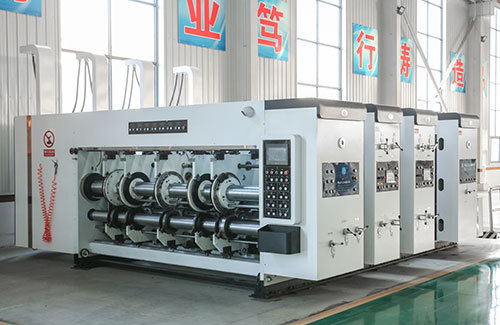
At its core, a slitter rewinder machine functions by slitting large rolls of material into smaller, more manageable widths. The process involves unwinding the material from a parent roll, cutting it into the desired widths using sharp blades, and then rewinding the cut sections onto new cores. This not only optimizes material usage but also enables manufacturers to create products tailored to specific customer needs.
One of the key advantages of using slitter rewinder machines is the efficiency they bring to production lines. By automating the slitting and rewinding process, these machines drastically reduce manual labor and the potential for human error. Modern slitter rewinders are equipped with advanced technology, including digital controls and sensors, which ensure precise cuts and consistent tension. This level of automation not only streamlines production but also enhances the overall quality of the finished product.
Moreover, slitter rewinder machines are versatile and can handle a variety of materials beyond just paper. They are commonly used for films, foils, and non-woven materials, making them valuable assets in various sectors such as packaging, textiles, and hygiene products. This adaptability allows manufacturers to diversify their product offerings without investing in multiple different machines.
Another critical aspect to consider when investing in a slitter rewinder machine is its maintenance. Regular upkeep is necessary to ensure optimal performance and longevity. Proper maintenance practices involve regular inspections, lubrication of moving parts, and timely replacement of worn-out blades or components. By adhering to a well-thought-out maintenance schedule, manufacturers can minimize downtime and extend the lifespan of their equipment.
In conclusion, slitter rewinder machines are vital to the efficiency and effectiveness of the paper processing industry. Their ability to transform large rolls into smaller, usable sizes while maintaining high-quality standards is crucial for meeting the diverse needs of customers. By investing in modern slitter rewinder technology and committing to regular maintenance, manufacturers can enhance their productivity and maintain a competitive edge in the market. Understanding the benefits and functionalities of these machines will empower professionals to make informed decisions that align with their operational goals.
At its core, a slitter rewinder machine functions by slitting large rolls of material into smaller, more manageable widths. The process involves unwinding the material from a parent roll, cutting it into the desired widths using sharp blades, and then rewinding the cut sections onto new cores. This not only optimizes material usage but also enables manufacturers to create products tailored to specific customer needs.
One of the key advantages of using slitter rewinder machines is the efficiency they bring to production lines. By automating the slitting and rewinding process, these machines drastically reduce manual labor and the potential for human error. Modern slitter rewinders are equipped with advanced technology, including digital controls and sensors, which ensure precise cuts and consistent tension. This level of automation not only streamlines production but also enhances the overall quality of the finished product.
Moreover, slitter rewinder machines are versatile and can handle a variety of materials beyond just paper. They are commonly used for films, foils, and non-woven materials, making them valuable assets in various sectors such as packaging, textiles, and hygiene products. This adaptability allows manufacturers to diversify their product offerings without investing in multiple different machines.
Another critical aspect to consider when investing in a slitter rewinder machine is its maintenance. Regular upkeep is necessary to ensure optimal performance and longevity. Proper maintenance practices involve regular inspections, lubrication of moving parts, and timely replacement of worn-out blades or components. By adhering to a well-thought-out maintenance schedule, manufacturers can minimize downtime and extend the lifespan of their equipment.
In conclusion, slitter rewinder machines are vital to the efficiency and effectiveness of the paper processing industry. Their ability to transform large rolls into smaller, usable sizes while maintaining high-quality standards is crucial for meeting the diverse needs of customers. By investing in modern slitter rewinder technology and committing to regular maintenance, manufacturers can enhance their productivity and maintain a competitive edge in the market. Understanding the benefits and functionalities of these machines will empower professionals to make informed decisions that align with their operational goals.
TAG:
Recommended News
Service hotline
Cangzhou Mingyang Machinery Co., Ltd
Tel: 8615903277888
Email: christina@mingyang-machinery.com
Address: Room 1108, Building S4, Cangzhou Wuyue Plaza, Yunquan District, Cangzhou City, Hebei Province