
Understanding the Case Maker Production Line: A Comprehensive Overview
2025-04-16
【SUMMARY】In the realm of electrical and electronic product manufacturing, the case maker production line holds significant importance. This specialized line is responsible for creating casings that not only protect electronic components but also enhance the aesthetic appeal of the final product. The production line typically integrates advanced technologies to ensure precision, speed, and efficiency in the
In the realm of electrical and electronic product manufacturing, the case maker production line holds significant importance. This specialized line is responsible for creating casings that not only protect electronic components but also enhance the aesthetic appeal of the final product. The production line typically integrates advanced technologies to ensure precision, speed, and efficiency in the manufacturing process.
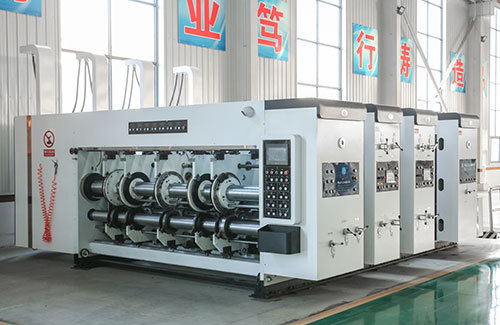
One of the primary functions of the case maker production line is to streamline the production process. By automating various stages of casing production, manufacturers can significantly reduce lead times and labor costs. This automation involves the use of cutting machines, molding systems, and assembly equipment that work in tandem to produce high-quality casings with minimal human intervention.
Moreover, the case maker production line is designed to accommodate various materials. Depending on the end product requirements, manufacturers can use plastics, metals, or composite materials. Each material offers unique benefits, such as durability, weight reduction, and cost-effectiveness. For instance, lightweight plastic casings are ideal for portable electronic devices, while metal casings are often preferred for heavy-duty applications.
Efficiency is a cornerstone of the case maker production line. Businesses are constantly seeking ways to optimize their production capabilities, and this is where modern manufacturing techniques come into play. Techniques such as lean manufacturing and just-in-time (JIT) production help reduce waste and ensure that resources are utilized effectively. By implementing such strategies, manufacturers can improve throughput and maintain high standards of quality.
Another critical aspect is the integration of quality control measures within the case maker production line. Continuous monitoring of the production process helps identify defects early, thus reducing the number of faulty products that reach the market. This commitment to quality not only enhances customer satisfaction but also bolsters the manufacturer’s reputation in a competitive industry.
In addition to functionality, the design of the case maker production line itself is an important consideration. An efficient layout can enhance workflow, minimize bottlenecks, and facilitate easy access to machinery and tools. This aspect is especially vital for large-scale manufacturing environments where space and organization directly impact productivity.
In conclusion, the case maker production line is a vital element in the manufacturing of electronic and electrical products. Its ability to automate processes, accommodate various materials, and enhance efficiency makes it indispensable for companies aiming to thrive in today’s fast-paced market. By investing in innovative production technologies and maintaining high-quality standards, manufacturers can ensure that they meet consumer demands effectively while remaining competitive in the industry.
One of the primary functions of the case maker production line is to streamline the production process. By automating various stages of casing production, manufacturers can significantly reduce lead times and labor costs. This automation involves the use of cutting machines, molding systems, and assembly equipment that work in tandem to produce high-quality casings with minimal human intervention.
Moreover, the case maker production line is designed to accommodate various materials. Depending on the end product requirements, manufacturers can use plastics, metals, or composite materials. Each material offers unique benefits, such as durability, weight reduction, and cost-effectiveness. For instance, lightweight plastic casings are ideal for portable electronic devices, while metal casings are often preferred for heavy-duty applications.
Efficiency is a cornerstone of the case maker production line. Businesses are constantly seeking ways to optimize their production capabilities, and this is where modern manufacturing techniques come into play. Techniques such as lean manufacturing and just-in-time (JIT) production help reduce waste and ensure that resources are utilized effectively. By implementing such strategies, manufacturers can improve throughput and maintain high standards of quality.
Another critical aspect is the integration of quality control measures within the case maker production line. Continuous monitoring of the production process helps identify defects early, thus reducing the number of faulty products that reach the market. This commitment to quality not only enhances customer satisfaction but also bolsters the manufacturer’s reputation in a competitive industry.
In addition to functionality, the design of the case maker production line itself is an important consideration. An efficient layout can enhance workflow, minimize bottlenecks, and facilitate easy access to machinery and tools. This aspect is especially vital for large-scale manufacturing environments where space and organization directly impact productivity.
In conclusion, the case maker production line is a vital element in the manufacturing of electronic and electrical products. Its ability to automate processes, accommodate various materials, and enhance efficiency makes it indispensable for companies aiming to thrive in today’s fast-paced market. By investing in innovative production technologies and maintaining high-quality standards, manufacturers can ensure that they meet consumer demands effectively while remaining competitive in the industry.
TAG:
Recommended News
Service hotline
Cangzhou Mingyang Machinery Co., Ltd
Tel: 8615903277888
Email: christina@mingyang-machinery.com
Address: Room 1108, Building S4, Cangzhou Wuyue Plaza, Yunquan District, Cangzhou City, Hebei Province