
Unlocking Efficiency: The Essential Guide to Paper Cutting Machines
2025-04-14
【SUMMARY】In the manufacturing sector, particularly in paper processing, the use of paper cutting machines is paramount for achieving efficiency and precision in production. These machines are designed to cut large sheets of paper into smaller, manageable sizes, ensuring that the end products meet specific requirements for various applications. Understanding the intricacies of paper cutting machines can gre
In the manufacturing sector, particularly in paper processing, the use of paper cutting machines is paramount for achieving efficiency and precision in production. These machines are designed to cut large sheets of paper into smaller, manageable sizes, ensuring that the end products meet specific requirements for various applications. Understanding the intricacies of paper cutting machines can greatly benefit professionals in this field by streamlining processes and improving overall output.
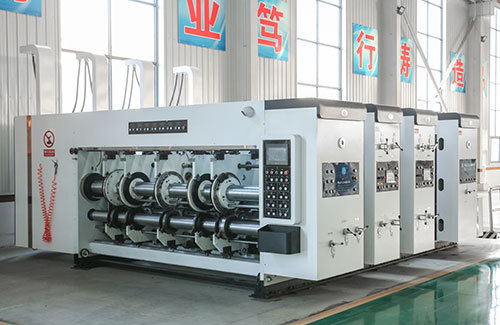
Paper cutting machines come in various types, each tailored to meet specific needs. The most common types include manual, semi-automatic, and fully automatic cutters. Manual cutters are often used for smaller operations and offer flexibility and control over the size and shape of the cut. Semi-automatic machines bridge the gap by providing a balance of manual control and automated features, making them suitable for medium-sized businesses. Fully automatic paper cutting machines, on the other hand, are designed for high-volume production environments where speed and precision are critical. These machines can be programmed to execute complex cuts rapidly, reducing human error and increasing efficiency.
The application of paper cutting machines extends beyond mere sheet cutting. They are essential in various industries, including printing, packaging, and bookbinding. In the printing industry, these machines ensure that printed materials are cut to the desired dimensions, enhancing the final product's quality. In packaging, precise cuts are crucial for creating boxes and other containers that require accuracy for structural integrity. Additionally, bookbinding processes often involve cutting paper to specific sizes, making these machines indispensable in the production of books and other printed materials.
Investing in a high-quality paper cutting machine can lead to significant time savings and reduced labor costs. Moreover, modern machines are equipped with advanced technology, such as digital displays and programmable settings, which allow operators to customize cuts according to their specific needs. This adaptability is particularly beneficial in industries where product specifications can change frequently.
In conclusion, paper cutting machines play a vital role in the manufacturing and processing of paper products. By understanding the different types and their applications, professionals can make informed decisions that enhance their operational efficiency. Whether it's for small-scale projects or large-scale production, the right paper cutting machine can significantly impact productivity and quality in any paper processing environment.
Paper cutting machines come in various types, each tailored to meet specific needs. The most common types include manual, semi-automatic, and fully automatic cutters. Manual cutters are often used for smaller operations and offer flexibility and control over the size and shape of the cut. Semi-automatic machines bridge the gap by providing a balance of manual control and automated features, making them suitable for medium-sized businesses. Fully automatic paper cutting machines, on the other hand, are designed for high-volume production environments where speed and precision are critical. These machines can be programmed to execute complex cuts rapidly, reducing human error and increasing efficiency.
The application of paper cutting machines extends beyond mere sheet cutting. They are essential in various industries, including printing, packaging, and bookbinding. In the printing industry, these machines ensure that printed materials are cut to the desired dimensions, enhancing the final product's quality. In packaging, precise cuts are crucial for creating boxes and other containers that require accuracy for structural integrity. Additionally, bookbinding processes often involve cutting paper to specific sizes, making these machines indispensable in the production of books and other printed materials.
Investing in a high-quality paper cutting machine can lead to significant time savings and reduced labor costs. Moreover, modern machines are equipped with advanced technology, such as digital displays and programmable settings, which allow operators to customize cuts according to their specific needs. This adaptability is particularly beneficial in industries where product specifications can change frequently.
In conclusion, paper cutting machines play a vital role in the manufacturing and processing of paper products. By understanding the different types and their applications, professionals can make informed decisions that enhance their operational efficiency. Whether it's for small-scale projects or large-scale production, the right paper cutting machine can significantly impact productivity and quality in any paper processing environment.
TAG:
Recommended News
Service hotline
Cangzhou Mingyang Machinery Co., Ltd
Tel: 8615903277888
Email: christina@mingyang-machinery.com
Address: Room 1108, Building S4, Cangzhou Wuyue Plaza, Yunquan District, Cangzhou City, Hebei Province