
Transform Your Production Line with a Case Maker Machine
2025-04-13
【SUMMARY】Transform Your Production Line with a Case Maker Machine
Table of Contents
1. Introduction to Case Maker Machines
2. The Importance of Case Maker Machines in Manufacturing
3. How a Case Maker Machine Works
4. Key Features of High-Quality Case Maker Machines
5. Benefits of Integrating a Case Maker Machine into Your Production Line
6. Applications of Case Maker Machines
7. Choosing the
Transform Your Production Line with a Case Maker Machine
Table of Contents
1. Introduction to Case Maker Machines
2. The Importance of Case Maker Machines in Manufacturing
3. How a Case Maker Machine Works
4. Key Features of High-Quality Case Maker Machines
5. Benefits of Integrating a Case Maker Machine into Your Production Line
6. Applications of Case Maker Machines
7. Choosing the Right Case Maker Machine for Your Needs
8. Frequently Asked Questions
9. Conclusion
Introduction to Case Maker Machines
In today's competitive manufacturing landscape, efficiency and quality stand at the forefront of production goals. One innovative solution that has gained significant traction is the **case maker machine**. This advanced technology not only enhances the packaging process but also transforms how products reach consumers. By automating and streamlining the creation of cases, manufacturers can achieve higher productivity levels, reduce waste, and improve overall product quality.
The Importance of Case Maker Machines in Manufacturing
The role of case maker machines has become increasingly vital in the manufacturing industry. These machines are essential for producing robust cases for various products, from electronics to food items. The growing demand for quality packaging solutions has made it imperative for manufacturers to invest in cutting-edge technology.
With a case maker machine, companies can ensure that their products are not only well-protected during transportation but also visually appealing to consumers. This dual function contributes significantly to brand image and customer satisfaction. Furthermore, as sustainability becomes more critical in manufacturing, case maker machines contribute by minimizing material waste and optimizing resource usage.
How a Case Maker Machine Works
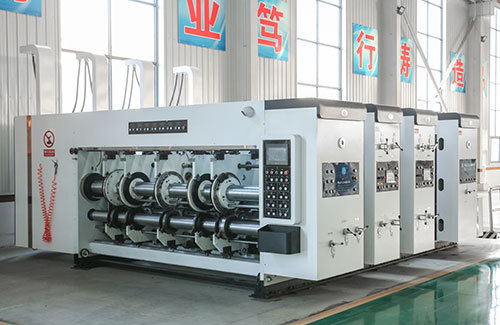
Understanding the mechanics of case maker machines can help businesses appreciate their value. Typically, a case maker machine operates through a series of automated processes designed to create custom cases tailored to specific product dimensions and designs.
1. **Material Feeding**: The process begins with feeding raw materials, typically paperboard or corrugated cardboard, into the machine.
2. **Cutting and Creasing**: The machine then cuts the material according to predefined templates and creases it, enabling easy folding.
3. **Folding and Gluing**: After cutting, the machine folds the material into the desired shape and applies adhesive to secure the structure.
4. **Quality Control**: Many modern case maker machines are equipped with sensors to conduct quality checks, ensuring that the finished cases meet specific standards.
5. **Output**: Finally, the completed cases are collected and prepared for packaging.
This automated process dramatically reduces production time and labor costs, making it a worthwhile investment for any manufacturing operation.
Key Features of High-Quality Case Maker Machines
When selecting a case maker machine, it is essential to consider several key features that contribute to its performance and reliability. Here are some critical aspects to look for:
- **Speed and Efficiency**: A high-quality machine should be capable of producing a large volume of cases quickly without compromising on precision.
- **Customizability**: The ability to adjust settings for different case sizes and designs is crucial for meeting diverse production needs.
- **User-Friendly Interface**: A machine with an intuitive control panel simplifies operations and minimizes training time for staff.
- **Durability**: Investing in a robust machine ensures longevity and reduces the frequency of repairs and maintenance.
- **Integration Capability**: The ability to integrate with existing production lines enhances operational continuity and efficiency.
Benefits of Integrating a Case Maker Machine into Your Production Line
Incorporating a case maker machine into your production line can yield numerous advantages:
1. **Increased Productivity**: Automation reduces manual effort, allowing staff to focus on other critical tasks, resulting in overall higher productivity.
2. **Cost Savings**: By reducing labor costs and material waste, manufacturers can significantly lower production expenses.
3. **Enhanced Product Quality**: Automated precision ensures that each case is uniformly produced, leading to improved product presentation and safety.
4. **Faster Turnaround Times**: With quicker production processes, businesses can meet market demands and customer expectations more effectively.
5. **Sustainability**: Many case maker machines are designed to utilize eco-friendly materials and reduce waste, aligning with modern sustainability goals.
Applications of Case Maker Machines
Case maker machines serve various industries, each benefiting in unique ways. Some primary applications include:
- **Electronics Packaging**: Providing secure and attractive packaging for electronic devices, protecting them from damage during shipping.
- **Food and Beverage**: Creating cases that adhere to safety regulations while maintaining aesthetic appeal.
- **Pharmaceuticals**: Ensuring that products are packaged securely to maintain integrity and compliance with health regulations.
- **Cosmetics**: Offering visually appealing packaging that enhances brand identity and customer experience.
Each application highlights the versatility of case maker machines and their ability to adapt to different manufacturing needs.
Choosing the Right Case Maker Machine for Your Needs
Selecting the ideal case maker machine involves assessing various factors to ensure it aligns with your operational requirements. Consider the following:
1. **Production Volume**: Determine the volume of cases you need to produce regularly, as this will influence the machine's capacity.
2. **Design Complexity**: Evaluate the complexity of the case designs you intend to create, as some machines offer more advanced features for intricate designs.
3. **Budget**: Establish a budget that accounts for not only the initial investment but also ongoing maintenance and operational costs.
4. **Supplier Reputation**: Research potential suppliers to find reputable manufacturers known for their reliability and customer service.
Consulting with industry experts can further guide your decision-making process, ensuring you choose a machine that best meets your needs.
Frequently Asked Questions
1. **What is a case maker machine?**
A case maker machine is an automated device used in manufacturing to create cases for various products, enhancing packaging efficiency and quality.
2. **How does a case maker machine improve efficiency?**
By automating the processes of cutting, creasing, folding, and gluing, a case maker machine significantly reduces manual labor and production time.
3. **Can case maker machines create custom designs?**
Yes, many modern case maker machines offer customizability, allowing manufacturers to produce cases tailored to specific product dimensions and designs.
4. **What industries benefit from case maker machines?**
Industries such as electronics, food and beverage, pharmaceuticals, and cosmetics all utilize case maker machines for their packaging needs.
5. **How can I maintain my case maker machine?**
Regular cleaning, lubrication of moving parts, and adherence to the manufacturer's maintenance schedule can ensure optimal performance and longevity of the machine.
Conclusion
Integrating a **case maker machine** into your production line is a strategic move that can significantly enhance efficiency, reduce costs, and improve product quality. As the manufacturing landscape evolves, adopting advanced technology like case maker machines becomes essential for staying competitive. By understanding their functionalities, benefits, and applications, businesses can make informed decisions that lead to improved operations and customer satisfaction. Investing in a high-quality case maker machine is not just about streamlining processes; it’s about positioning your company for success in an ever-changing market.
TAG:
Recommended News
Service hotline
Cangzhou Mingyang Machinery Co., Ltd
Tel: 8615903277888
Email: christina@mingyang-machinery.com
Address: Room 1108, Building S4, Cangzhou Wuyue Plaza, Yunquan District, Cangzhou City, Hebei Province