
The Evolution and Advantages of Digital Printing Machines in Modern Manufacturing
2025-04-10
【SUMMARY】Digital printing machines represent a significant advancement in the field of manufacturing and printing technology. Unlike traditional printing methods, which often require extensive setups and longer turnaround times, digital printing allows for quicker production and greater flexibility. This shift has made it a popular choice among businesses looking to streamline their operations and meet the
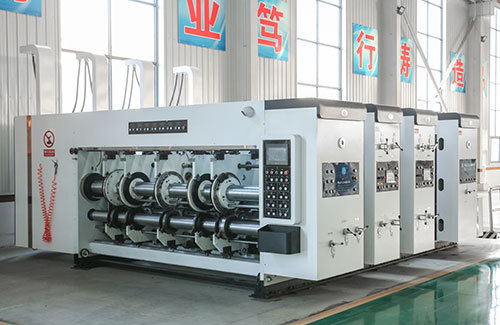
Digital printing machines represent a significant advancement in the field of manufacturing and printing technology. Unlike traditional printing methods, which often require extensive setups and longer turnaround times, digital printing allows for quicker production and greater flexibility. This shift has made it a popular choice among businesses looking to streamline their operations and meet the demands of a fast-paced market.
One of the defining features of digital printing machines is their capability to print directly from digital files. This means that designs can be created and altered on-the-fly, negating the need for physical printing plates and reducing setup times. As a result, businesses can produce small runs of printed materials with the same efficiency as larger quantities, making it ideal for custom projects or personalized products.
Another significant advantage of digital printing machines is the variety of materials they can handle. Modern machines are capable of printing on diverse substrates, ranging from paper and cardboard to plastics and fabrics. This versatility opens up new avenues for creative applications, allowing manufacturers to explore innovative product offerings that were not feasible with traditional printing techniques.
Additionally, digital printing machines offer high-quality outputs with vibrant colors and intricate details. Advanced technologies such as inkjet and laser printing have improved the resolution and color fidelity, ensuring that the final product meets or exceeds customer expectations. This level of quality is crucial in industries where branding and visual appeal play a significant role in consumer decisions.
Moreover, the environmental impact of digital printing is generally lower than that of traditional methods. Digital printing machines often use less energy and produce less waste, as they eliminate the need for chemical processing and reduce ink consumption. Many models are designed with eco-friendly materials, further aligning with the growing demand for sustainable manufacturing practices.
Cost-effectiveness is another compelling reason for businesses to invest in digital printing machines. The reduction in setup times and waste translates into lower overall production costs, making it an attractive option for both small businesses and larger manufacturers. Furthermore, the ability to print on-demand helps businesses reduce inventory costs, as they can produce materials as needed rather than storing large quantities of pre-printed items.
In conclusion, digital printing machines are revolutionizing the manufacturing landscape by offering faster production, greater flexibility, and improved quality. Their ability to print on various substrates and their lower environmental impact make them a strategic choice for businesses aiming to stay competitive in today's dynamic market. As technology continues to evolve, the potential applications and benefits of digital printing machines are likely to expand even further, solidifying their place as an essential tool in modern manufacturing.
One of the defining features of digital printing machines is their capability to print directly from digital files. This means that designs can be created and altered on-the-fly, negating the need for physical printing plates and reducing setup times. As a result, businesses can produce small runs of printed materials with the same efficiency as larger quantities, making it ideal for custom projects or personalized products.
Another significant advantage of digital printing machines is the variety of materials they can handle. Modern machines are capable of printing on diverse substrates, ranging from paper and cardboard to plastics and fabrics. This versatility opens up new avenues for creative applications, allowing manufacturers to explore innovative product offerings that were not feasible with traditional printing techniques.
Additionally, digital printing machines offer high-quality outputs with vibrant colors and intricate details. Advanced technologies such as inkjet and laser printing have improved the resolution and color fidelity, ensuring that the final product meets or exceeds customer expectations. This level of quality is crucial in industries where branding and visual appeal play a significant role in consumer decisions.
Moreover, the environmental impact of digital printing is generally lower than that of traditional methods. Digital printing machines often use less energy and produce less waste, as they eliminate the need for chemical processing and reduce ink consumption. Many models are designed with eco-friendly materials, further aligning with the growing demand for sustainable manufacturing practices.
Cost-effectiveness is another compelling reason for businesses to invest in digital printing machines. The reduction in setup times and waste translates into lower overall production costs, making it an attractive option for both small businesses and larger manufacturers. Furthermore, the ability to print on-demand helps businesses reduce inventory costs, as they can produce materials as needed rather than storing large quantities of pre-printed items.
In conclusion, digital printing machines are revolutionizing the manufacturing landscape by offering faster production, greater flexibility, and improved quality. Their ability to print on various substrates and their lower environmental impact make them a strategic choice for businesses aiming to stay competitive in today's dynamic market. As technology continues to evolve, the potential applications and benefits of digital printing machines are likely to expand even further, solidifying their place as an essential tool in modern manufacturing.
TAG:
Recommended News
Service hotline
Cangzhou Mingyang Machinery Co., Ltd
Tel: 8615903277888
Email: christina@mingyang-machinery.com
Address: Room 1108, Building S4, Cangzhou Wuyue Plaza, Yunquan District, Cangzhou City, Hebei Province