
The Importance of Maintenance for Your Carton Printing Die Cutter Machine: Ensuring Efficiency and Longevity
2025-04-09
【SUMMARY】The Importance of Maintenance for Your Carton Printing Die Cutter Machine
Table of Contents
Introduction to Carton Printing Die Cutter Machines
Why Maintenance Matters
Benefits of Regular Maintenance
Essential Maintenance Procedures
Common Issues Caused by Lack of Maintenance
Troubleshooting Tips for Die Cutter Machines
When to Seek Professional Maintenance Services
Conclusion
F
The Importance of Maintenance for Your Carton Printing Die Cutter Machine
Table of Contents
- Introduction to Carton Printing Die Cutter Machines
- Why Maintenance Matters
- Benefits of Regular Maintenance
- Essential Maintenance Procedures
- Common Issues Caused by Lack of Maintenance
- Troubleshooting Tips for Die Cutter Machines
- When to Seek Professional Maintenance Services
- Conclusion
- Frequently Asked Questions
Introduction to Carton Printing Die Cutter Machines
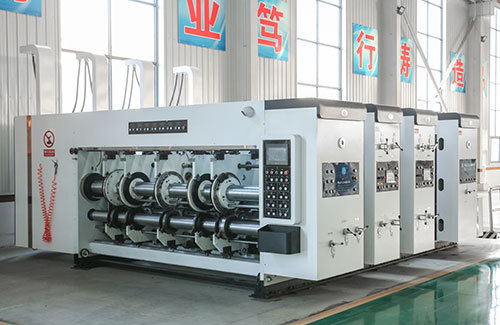
Carton printing die cutter machines are vital components in the packaging industry, primarily utilized in the creation of custom-shaped cardboard boxes and other packaging materials. These machines are designed to perform various tasks, including cutting, creasing, and embossing, ensuring that the final product meets quality and design specifications. Given their crucial role, understanding the need for regular maintenance is essential for any business that relies on these machines for production.
Why Maintenance Matters
The significance of maintenance for carton printing die cutter machines cannot be overstated. Proper upkeep not only ensures the machine operates efficiently but also safeguards against unexpected breakdowns that can lead to costly downtime. Regular maintenance helps identify potential issues before they escalate into major problems, providing peace of mind for operators and management alike.
Maintaining Efficiency and Performance
Die cutter machines operate under intense conditions, making them susceptible to wear and tear. Regular maintenance checks and adjustments keep the machine running smoothly, enhancing its performance and ensuring that production targets are met consistently.
Prolonging Equipment Lifespan
Investing in maintenance significantly extends the lifespan of your die cutter machine. Regular inspections and servicing reduce the likelihood of severe damage that could necessitate costly repairs or replacements, thereby protecting your investment.
Benefits of Regular Maintenance
Understanding the benefits of maintenance can help motivate organizations to prioritize these crucial tasks.
1. Improved Product Quality
A well-maintained die cutter machine consistently delivers high-quality products. Regular adjustments and cleaning ensure that the machine operates within its optimal parameters, reducing defects and improving overall product quality.
2. Increased Operational Efficiency
Regular maintenance leads to efficient machine operation. By addressing minor issues proactively, you minimize the risk of unexpected breakdowns that can stall production and disrupt workflows, ensuring a steady output.
3. Cost Savings
Investing in routine maintenance can lead to significant cost savings over time. The financial burden of unexpected repairs and production downtime can be overwhelming, making proactive maintenance a smarter investment.
4. Enhanced Safety
A poorly maintained die cutter machine can pose safety risks to operators and staff. Regular maintenance ensures that safety features function correctly, reducing the likelihood of accidents and injuries in the workplace.
Essential Maintenance Procedures
Implementing a structured maintenance routine is key to keeping your carton printing die cutter machine in top condition. Below are essential maintenance procedures you should consider.
1. Daily Inspections
Conducting daily inspections is crucial for identifying any immediate issues. Check for unusual noises, vibrations, or performance problems. Look for any signs of wear on blades and cutting surfaces.
2. Weekly Cleaning
Regular cleaning removes dust, debris, and excess ink that can hinder performance. A clean machine not only runs better but also produces higher-quality output.
3. Lubrication
Proper lubrication of moving parts is essential to prevent friction and wear. Follow the manufacturer’s guidelines on lubrication schedules and types of lubricants to use.
4. Blade Maintenance
The cutting blades play a vital role in the performance of the die cutter machine. Regularly inspect and sharpen the blades to ensure they are in optimal condition. Replace them when they become dull or damaged.
5. Software and Control System Updates
If your die cutter machine operates with a computer control system, ensure that software updates are applied regularly. Updated software can enhance performance and provide new features that improve efficiency.
Common Issues Caused by Lack of Maintenance
Neglecting maintenance can lead to several common problems that can severely disrupt production.
1. Mechanical Failures
Without regular upkeep, mechanical components can fail, resulting in costly repairs and production delays.
2. Poor Product Quality
A machine that is not well-maintained can produce inconsistent or defective products, damaging your reputation and customer relationships.
3. Safety Hazards
A lack of maintenance can lead to safety hazards, resulting in accidents and potential injuries in the workplace.
4. Increased Downtime
Machines that are not regularly maintained are more likely to break down unexpectedly, leading to increased downtime and reduced productivity.
Troubleshooting Tips for Die Cutter Machines
In addition to regular maintenance, knowing how to troubleshoot common issues can help minimize downtime.
1. Identify the Symptoms
Begin by observing the machine for any unusual behavior, such as misalignment or inconsistent cutting. Identifying symptoms early can help you pinpoint the problem.
2. Consult the Manual
Refer to the manufacturer's manual for troubleshooting guidelines specific to your model. This resource can provide insights into common issues and how to resolve them.
3. Document Issues
Keep a detailed log of any issues encountered with the machine, including the date, symptoms, and actions taken. This documentation can be invaluable for ongoing maintenance and future troubleshooting.
4. Test Components
If you suspect a particular component is causing issues, test it individually. For example, check the blades, sensors, and control systems to isolate the problem.
When to Seek Professional Maintenance Services
While routine maintenance can often be handled in-house, there are times when seeking professional help is advisable.
1. Complex Repairs
If your machine is experiencing complex problems that you cannot resolve, it’s best to call in professionals. They have the expertise to diagnose and repair intricate issues.
2. Regular Service Contracts
Consider setting up a regular service contract with a professional maintenance provider. This ensures your machine receives periodic expert care, further ensuring its longevity and performance.
Conclusion
In the fast-paced world of packaging, maintaining the functionality and efficiency of your carton printing die cutter machine is paramount. Regular maintenance not only prolongs the lifespan of the equipment but also enhances operational efficiency and product quality. By investing time and resources into a structured maintenance routine, you can avoid costly downtimes and ensure a safe, productive environment for your staff. Prioritize maintenance, and you will reap the rewards in both performance and profitability.
Frequently Asked Questions
1. How often should I perform maintenance on my die cutter machine?
It’s advisable to perform daily inspections, weekly cleaning, and scheduled maintenance checks based on your machine's usage and manufacturer recommendations.
2. What are the signs that my die cutter machine needs maintenance?
Signs include unusual noises, vibrations, inconsistent cutting, or any operational difficulties.
3. Can I perform maintenance on my die cutter machine myself?
Basic maintenance tasks can often be handled in-house, but for complex issues, it’s wise to consult with professionals.
4. What are the costs associated with not maintaining my machine?
Neglecting maintenance can lead to expensive repairs, increased downtime, and poor product quality, which can ultimately impact profits.
5. What should I include in a maintenance log for my die cutter machine?
Include details such as inspection dates, noted issues, maintenance performed, parts replaced, and any observations to track the machine’s performance over time.
TAG:
Recommended News
Service hotline
Cangzhou Mingyang Machinery Co., Ltd
Tel: 8615903277888
Email: christina@mingyang-machinery.com
Address: Room 1108, Building S4, Cangzhou Wuyue Plaza, Yunquan District, Cangzhou City, Hebei Province