
The Evolution of Corrugated Carton Box Machinery Over the Years
2025-03-26
【SUMMARY】The Evolution of Corrugated Carton Box Machinery Over the Years
Table of Contents
Introduction to Corrugated Packaging
A Historical Perspective on Corrugated Carton Box Machinery
Early Machinery: The Birth of Corrugated Cartons
The Industrial Revolution and Its Impact
Modern Manufacturing Techniques in Corrugated Machinery
The Rise of Automation in Carton Production
Su
The Evolution of Corrugated Carton Box Machinery Over the Years
Table of Contents
- Introduction to Corrugated Packaging
- A Historical Perspective on Corrugated Carton Box Machinery
- Early Machinery: The Birth of Corrugated Cartons
- The Industrial Revolution and Its Impact
- Modern Manufacturing Techniques in Corrugated Machinery
- The Rise of Automation in Carton Production
- Sustainability: The Environmental Impact of Corrugated Carton Machinery
- Future Trends in Corrugated Carton Box Machinery
- Conclusion
- Frequently Asked Questions
Introduction to Corrugated Packaging
The packaging industry has undergone significant transformations over the years, particularly in the realm of **corrugated carton box machinery**. This evolution reflects broader changes in manufacturing processes, consumer demands, and environmental consciousness. Understanding the history and advancements in this sector not only provides insights into packaging trends but also underscores the importance of adaptability in the face of continuous innovation.
A Historical Perspective on Corrugated Carton Box Machinery
The journey of corrugated carton box machinery can be traced back to the early 19th century, when the first corrugated paper was invented in England for use as a liner for tall hats. This simple innovation laid the foundation for what would become a pivotal element of modern packaging. The initial application quickly expanded to include packaging for fragile items, leading to the development of corrugated boxes.
Key Milestones in the Evolution
- **1856**: The first patent for corrugated paper was issued to Albert Jones in the United States.
- **1890**: The first machine for producing corrugated cardboard was developed.
- **1920s**: Mass production of corrugated boxes began, coinciding with the rise of consumer goods.
- **1950s**: The introduction of the fluted design revolutionized strength and stability.
Each of these milestones represents a significant leap forward, illustrating the ingenuity of inventors and manufacturers who recognized the potential for corrugated materials in packaging.
Early Machinery: The Birth of Corrugated Cartons
In the early days, the machinery used to create corrugated boxes was rudimentary at best. **Manual die-cutting**, **pressing**, and **gluing** were common practices. Operators relied heavily on hand-operated machines to produce boxes, which limited production capacity and efficiency.
Transition to Mechanization
The transition to more automated machinery began in the mid-20th century. Companies started investing in mechanical innovations that allowed for faster production and greater precision. This shift was driven by increasing consumer demands and the need for cost-effective solutions in packaging.
The Industrial Revolution and Its Impact
The Industrial Revolution significantly impacted corrugated carton box machinery, marking a period of intense innovation. With advancements in steam power and the introduction of electricity, manufacturers could produce machinery that drastically improved production speed and quality.
Key Innovations During the Industrial Revolution
- **Steam-Powered Machines**: Enabled faster cutting and shaping of corrugated paper.
- **Continuous Production Lines**: Revolutionized the manufacturing process, allowing for streamlined operations.
- **Improved Adhesives**: Enhanced the durability and moisture resistance of corrugated boxes.
These innovations led to an explosion in the usage of corrugated boxes in various industries, from food and beverage to pharmaceuticals.
Modern Manufacturing Techniques in Corrugated Machinery
Today, the manufacturing processes behind corrugated carton box machinery are complex and sophisticated. Modern machinery incorporates cutting-edge technology that enhances efficiency, accuracy, and customization.
State-of-the-Art Machinery
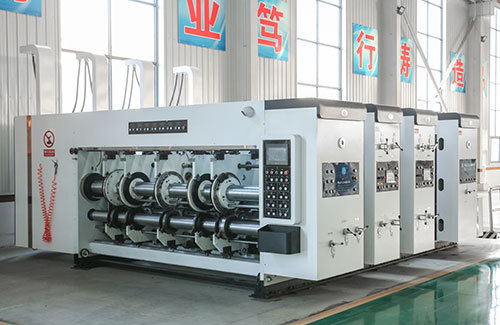
1. **High-Speed Slotters**: These machines can produce boxes at unparalleled speeds, reducing production times significantly.
2. **Die-Cutting Machines**: Capable of intricate designs and shapes, allowing businesses to offer customized packaging solutions.
3. **Printing Technology**: Modern printers can apply high-quality graphics directly onto the corrugated surface, enhancing branding opportunities.
The Rise of Automation in Carton Production
Automation has transformed the way corrugated boxes are manufactured. With the implementation of robotics and artificial intelligence, manufacturers can now achieve levels of efficiency and consistency that were previously unattainable.
Benefits of Automation
- **Increased Productivity**: Automation allows for 24/7 operation, significantly increasing output levels.
- **Reduced Labor Costs**: Fewer manual processes lead to lower labor costs.
- **Enhanced Precision**: Automated systems minimize human error, ensuring consistent quality across all products.
As the industry continues to embrace automation, the potential for innovative solutions and increased output will only grow.
Sustainability: The Environmental Impact of Corrugated Carton Machinery
With rising awareness of environmental issues, the packaging industry has shifted towards more sustainable practices. Corrugated carton box machinery has adapted to these demands by incorporating eco-friendly materials and processes.
Eco-Friendly Innovations
- **Recyclable Materials**: Many manufacturers are now using 100% recyclable materials in their products, aligning with global sustainability goals.
- **Energy-Efficient Machines**: Modern machinery is designed to consume less energy, reducing the overall carbon footprint of production.
- **Sustainable Sourcing**: Companies are committed to sourcing raw materials responsibly, ensuring that their supply chains are environmentally friendly.
Embracing sustainability not only meets consumer expectations but also enhances brand reputation and competitiveness in the market.
Future Trends in Corrugated Carton Box Machinery
As we look to the future, several trends are shaping the evolution of corrugated carton box machinery. These trends reflect the ongoing innovation and adaptation within the industry.
Emerging Trends to Watch
1. **Smart Packaging**: Incorporating technology like QR codes and RFID tags into packaging can enhance consumer experience and provide valuable insights to manufacturers.
2. **Customization and Personalization**: As consumer preferences evolve, the demand for custom packaging solutions is growing. Machinery that can quickly adapt to new designs will be in high demand.
3. **3D Printing**: The potential for 3D printing in packaging offers exciting possibilities for creating intricate designs and prototypes with minimal waste.
These trends indicate a dynamic future for corrugated carton box machinery, driven by the need for efficiency, sustainability, and consumer engagement.
Conclusion
The evolution of corrugated carton box machinery over the years showcases a fascinating journey of innovation and adaptability. From humble beginnings with manual tools to the sophisticated automated systems of today, the industry has transformed in response to consumer demands and technological advancements. As we continue to embrace sustainability and explore new trends, the future of corrugated packaging looks promising, presenting opportunities for growth and innovation that will shape the industry for years to come.
Frequently Asked Questions
1. What is a corrugated carton box?
A corrugated carton box is made from corrugated paperboard, consisting of an outer liner and an inner fluted layer, providing strength and durability for packaging various products.
2. How has technology influenced the production of corrugated cartons?
Technology has led to the development of high-speed, automated machines that streamline production, reduce labor costs, and enhance precision in manufacturing corrugated boxes.
3. What are the environmental benefits of corrugated packaging?
Corrugated packaging is often made from sustainable materials, is recyclable, and can be produced using energy-efficient processes, making it an eco-friendly option for packaging.
4. What trends are emerging in the corrugated packaging industry?
Emerging trends include smart packaging, customization and personalization, and the use of 3D printing technology, all aimed at enhancing consumer engagement and efficiency.
5. How can businesses ensure their packaging machinery is sustainable?
Businesses can invest in energy-efficient machines, use recyclable materials, and source raw materials responsibly to ensure their packaging processes are sustainable and environmentally friendly.
The journey of corrugated carton box machinery is not just a story of technological advancement; it is a narrative of how our industry continues to evolve in response to the changing landscape of consumer needs and environmental challenges.
TAG:
Recommended News
Service hotline
Cangzhou Mingyang Machinery Co., Ltd
Tel: 8615903277888
Email: christina@mingyang-machinery.com
Address: Room 1108, Building S4, Cangzhou Wuyue Plaza, Yunquan District, Cangzhou City, Hebei Province