
The Essential Role of Corrugator Machines in Modern Packaging Solutions
2025-03-13
【SUMMARY】Corrugator machines play an integral role in the manufacturing process of corrugated cardboard, a material widely used in packaging applications due to its durability and lightweight nature. These machines are specifically designed to produce corrugated board by combining multiple layers of paper, creating a structure that provides strength and protection for various products during transportation
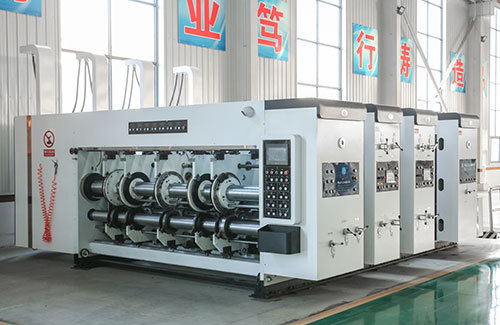
Corrugator machines play an integral role in the manufacturing process of corrugated cardboard, a material widely used in packaging applications due to its durability and lightweight nature. These machines are specifically designed to produce corrugated board by combining multiple layers of paper, creating a structure that provides strength and protection for various products during transportation and storage.
The operation of a corrugator machine typically involves several key processes: single-facer, double-backer, cutting, and stacking. Initially, the machine forms the flute, a wavy structure that adds rigidity to the cardboard, by passing a single sheet of paper through a set of rollers. This flute is then adhered to linerboard using a starch-based adhesive, ensuring a strong bond. The combination of fluted and flat sheets results in a sturdy corrugated board, which is then cut to size according to specific packaging requirements.
One of the primary advantages of using a corrugator machine is the ability to customize the thickness and type of corrugated board produced. This flexibility allows manufacturers to cater to diverse packaging needs, whether for fragile items requiring extra cushioning or heavier products that demand a more robust structure. Furthermore, advancements in technology have led to the development of high-speed corrugator machines, significantly increasing production efficiency and reducing lead times.
In addition to efficiency, corrugator machines contribute to sustainability in the packaging industry. Many corrugated boards are made from recycled materials, and the production process itself is designed to minimize waste. As environmental awareness grows, companies are increasingly prioritizing sustainable packaging solutions, making corrugated cardboard an attractive option.
Moreover, automation and digitalization have transformed traditional corrugator operations. Modern machines can integrate with inventory management systems, allowing for real-time monitoring of production levels and material usage. This data-driven approach not only enhances operational efficiency but also aids in reducing costs and improving overall productivity.
In conclusion, corrugator machines are essential tools in the packaging machinery sector, providing manufacturers with the capability to produce reliable and sustainable corrugated cardboard. Their ability to adapt to various packaging requirements, combined with advancements in technology, make them invaluable in today’s competitive market. Understanding the functions and benefits of corrugator machines can empower industry professionals to make informed decisions that enhance their packaging processes and contribute to their overall business success.
The operation of a corrugator machine typically involves several key processes: single-facer, double-backer, cutting, and stacking. Initially, the machine forms the flute, a wavy structure that adds rigidity to the cardboard, by passing a single sheet of paper through a set of rollers. This flute is then adhered to linerboard using a starch-based adhesive, ensuring a strong bond. The combination of fluted and flat sheets results in a sturdy corrugated board, which is then cut to size according to specific packaging requirements.
One of the primary advantages of using a corrugator machine is the ability to customize the thickness and type of corrugated board produced. This flexibility allows manufacturers to cater to diverse packaging needs, whether for fragile items requiring extra cushioning or heavier products that demand a more robust structure. Furthermore, advancements in technology have led to the development of high-speed corrugator machines, significantly increasing production efficiency and reducing lead times.
In addition to efficiency, corrugator machines contribute to sustainability in the packaging industry. Many corrugated boards are made from recycled materials, and the production process itself is designed to minimize waste. As environmental awareness grows, companies are increasingly prioritizing sustainable packaging solutions, making corrugated cardboard an attractive option.
Moreover, automation and digitalization have transformed traditional corrugator operations. Modern machines can integrate with inventory management systems, allowing for real-time monitoring of production levels and material usage. This data-driven approach not only enhances operational efficiency but also aids in reducing costs and improving overall productivity.
In conclusion, corrugator machines are essential tools in the packaging machinery sector, providing manufacturers with the capability to produce reliable and sustainable corrugated cardboard. Their ability to adapt to various packaging requirements, combined with advancements in technology, make them invaluable in today’s competitive market. Understanding the functions and benefits of corrugator machines can empower industry professionals to make informed decisions that enhance their packaging processes and contribute to their overall business success.
TAG:
Recommended News
Service hotline
Cangzhou Mingyang Machinery Co., Ltd
Tel: 8615903277888
Email: christina@mingyang-machinery.com
Address: Room 1108, Building S4, Cangzhou Wuyue Plaza, Yunquan District, Cangzhou City, Hebei Province