
Understanding 3/5/7 Layer Corrugated Cardboard Production Lines: Key Insights for Packaging Innovation
2025-03-09
【SUMMARY】When it comes to packaging, the materials used play a crucial role in the efficiency, durability, and environmental impact of products. Among various packaging materials, corrugated cardboard stands out for its strength and versatility. The production lines for 3, 5, and 7 layer corrugated cardboard are designed to create different types of cardboard, each suitable for various applications in the
When it comes to packaging, the materials used play a crucial role in the efficiency, durability, and environmental impact of products. Among various packaging materials, corrugated cardboard stands out for its strength and versatility. The production lines for 3, 5, and 7 layer corrugated cardboard are designed to create different types of cardboard, each suitable for various applications in the packaging industry.
**3-Layer Corrugated Cardboard**: This type consists of one layer of fluted paper sandwiched between two flat layers. It is lightweight and economical, making it an excellent choice for lightweight products and shipping boxes. The production line for 3-layer corrugated cardboard focuses on ensuring proper adhesion and alignment of the layers to maintain the structural integrity of the cardboard. This is particularly crucial for items that require basic protection during transportation.
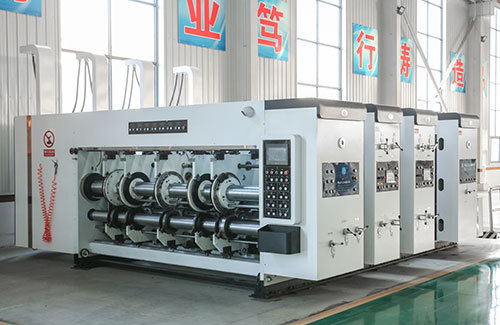
**5-Layer Corrugated Cardboard**: As the demand for sturdier packaging solutions grows, the 5-layer corrugated cardboard has become increasingly popular. It features two layers of fluted paper and three flat layers, providing enhanced strength and durability. The production line for 5-layer cardboard involves more complex machinery that ensures precise pressure and temperature control during the bonding process. This type of cardboard is ideal for heavier products, electronics, and items that require additional protection against damage.
**7-Layer Corrugated Cardboard**: For the most demanding applications, the 7-layer corrugated cardboard is the solution of choice. With three fluted layers and four flat layers, it offers unmatched strength and rigidity. The production line for this variant is equipped with advanced technology to handle the intricate processes involved in layering and bonding. It is commonly used for industrial packaging, heavy machinery, and items that must withstand significant pressure during transit.
The efficiency of a 3/5/7 layer corrugated cardboard production line is crucial for manufacturers seeking to optimize their production processes. Key factors include the speed of the line, the quality of the raw materials used, and the level of automation incorporated into the production process. Sustainable practices are also gaining prominence, with many manufacturers focusing on using recycled materials and reducing waste throughout the production cycle.
In conclusion, understanding the production lines for 3, 5, and 7 layer corrugated cardboard is vital for businesses in the packaging industry. By leveraging these insights, companies can enhance their packaging solutions, meet customer demands, and contribute positively to sustainability efforts. Whether for lightweight items or heavy machinery, the right corrugated cardboard solution can make a significant impact on product safety and brand reputation.
**3-Layer Corrugated Cardboard**: This type consists of one layer of fluted paper sandwiched between two flat layers. It is lightweight and economical, making it an excellent choice for lightweight products and shipping boxes. The production line for 3-layer corrugated cardboard focuses on ensuring proper adhesion and alignment of the layers to maintain the structural integrity of the cardboard. This is particularly crucial for items that require basic protection during transportation.
**5-Layer Corrugated Cardboard**: As the demand for sturdier packaging solutions grows, the 5-layer corrugated cardboard has become increasingly popular. It features two layers of fluted paper and three flat layers, providing enhanced strength and durability. The production line for 5-layer cardboard involves more complex machinery that ensures precise pressure and temperature control during the bonding process. This type of cardboard is ideal for heavier products, electronics, and items that require additional protection against damage.
**7-Layer Corrugated Cardboard**: For the most demanding applications, the 7-layer corrugated cardboard is the solution of choice. With three fluted layers and four flat layers, it offers unmatched strength and rigidity. The production line for this variant is equipped with advanced technology to handle the intricate processes involved in layering and bonding. It is commonly used for industrial packaging, heavy machinery, and items that must withstand significant pressure during transit.
The efficiency of a 3/5/7 layer corrugated cardboard production line is crucial for manufacturers seeking to optimize their production processes. Key factors include the speed of the line, the quality of the raw materials used, and the level of automation incorporated into the production process. Sustainable practices are also gaining prominence, with many manufacturers focusing on using recycled materials and reducing waste throughout the production cycle.
In conclusion, understanding the production lines for 3, 5, and 7 layer corrugated cardboard is vital for businesses in the packaging industry. By leveraging these insights, companies can enhance their packaging solutions, meet customer demands, and contribute positively to sustainability efforts. Whether for lightweight items or heavy machinery, the right corrugated cardboard solution can make a significant impact on product safety and brand reputation.
TAG:
Recommended News
Service hotline
Cangzhou Mingyang Machinery Co., Ltd
Tel: 8615903277888
Email: christina@mingyang-machinery.com
Address: Room 1108, Building S4, Cangzhou Wuyue Plaza, Yunquan District, Cangzhou City, Hebei Province