
Unlocking Efficiency: The Comprehensive Benefits of a 3/5/7 Layer Corrugated Cardboard Production Line
2025-03-06
【SUMMARY】Unlocking Efficiency: The Comprehensive Benefits of a 3/5/7 Layer Corrugated Cardboard Production Line
Table of Contents
Introduction to Corrugated Cardboard Production
Understanding the 3/5/7 Layer Structure
Efficiency Boosts with Multi-Layer Cardboard
Cost Savings: A Detailed Breakdown
Flexibility and Customization in Packaging
Sustainability and Eco-Friendliness
The
Unlocking Efficiency: The Comprehensive Benefits of a 3/5/7 Layer Corrugated Cardboard Production Line
Table of Contents
- Introduction to Corrugated Cardboard Production
- Understanding the 3/5/7 Layer Structure
- Efficiency Boosts with Multi-Layer Cardboard
- Cost Savings: A Detailed Breakdown
- Flexibility and Customization in Packaging
- Sustainability and Eco-Friendliness
- The Production Process Explained
- Future Trends in Corrugated Cardboard Production
- Frequently Asked Questions
- Conclusion
Introduction to Corrugated Cardboard Production
The demand for efficient packaging solutions has skyrocketed in recent years, driven by a surge in e-commerce and consumer expectations for sustainable, reliable products. **Corrugated cardboard** stands at the forefront of this evolution, particularly with the advent of **3/5/7 layer production lines**. These advanced systems offer unparalleled versatility and efficiency, making them essential for businesses that prioritize quality and operational effectiveness.
Understanding the 3/5/7 Layer Structure
**Corrugated cardboard** consists of three primary components: the linerboard and the fluted medium. The configuration of these components defines the layers:
- **3 Layer**: Comprising one fluted medium sandwiched between two linerboards, this structure is ideal for lightweight items and offers basic protection.
- **5 Layer**: Featuring two fluted mediums and three linerboards, the 5-layer structure enhances strength and durability, making it suitable for heavier products.
- **7 Layer**: The most robust option, with three fluted mediums and four linerboards, this configuration provides exceptional structural integrity, perfect for shipping fragile or high-value items.
Understanding the differences between these layers is crucial for selecting the right production line for your specific needs.
Efficiency Boosts with Multi-Layer Cardboard
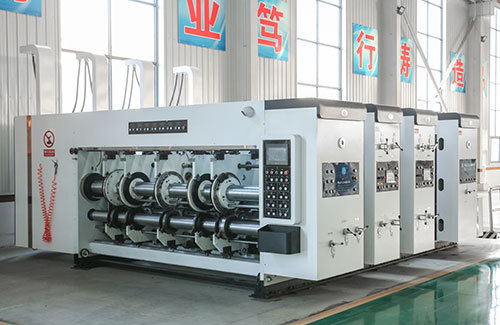
The operational efficiency of a **3/5/7 layer corrugated cardboard production line** cannot be overstated. These systems streamline the manufacturing process, reducing the time from raw material to finished product.
1. **Rapid Production**: Automated processes enable faster production cycles, allowing businesses to respond quickly to market demands.
2. **Consistent Quality**: Advanced technology ensures consistent quality across batches, reducing waste and rework.
3. **Space Optimization**: Multi-layer capabilities require fewer materials and less space, enabling better inventory management.
Overall, this efficiency translates into higher productivity and lower operational costs.
Cost Savings: A Detailed Breakdown
Investing in a 3/5/7 layer corrugated cardboard production line can lead to substantial cost savings in several ways:
1. **Material Usage Reduction**: Multi-layer cardboard can reduce the amount of raw material needed, leading to lower material costs.
2. **Lower Shipping Costs**: Lighter and more robust packaging reduces shipping costs, benefiting businesses and customers alike.
3. **Minimized Waste**: Efficient production techniques result in less scrap material, further enhancing cost-effectiveness.
These factors contribute to a healthier profit margin, making a compelling case for the investment in advanced production lines.
Flexibility and Customization in Packaging
One of the standout features of a 3/5/7 layer corrugated cardboard production line is its flexibility. Businesses can customize their packaging solutions to meet specific product requirements, enhancing their market position.
1. **Tailored Designs**: Companies can incorporate unique shapes and sizes, increasing appeal to consumers.
2. **Branding Opportunities**: Custom printing options allow for brand promotion directly on packaging, reinforcing brand identity.
3. **Adaptability to Trends**: The ability to switch between different layer configurations allows businesses to pivot with market trends.
This flexibility ensures that companies remain competitive and responsive to consumer demands.
Sustainability and Eco-Friendliness
As consumers become more eco-conscious, the demand for sustainable packaging solutions rises. Multi-layer corrugated cardboard lines contribute significantly to sustainability efforts:
1. **Recyclability**: Corrugated cardboard is highly recyclable, and utilizing sustainable materials in production aligns with environmental standards.
2. **Reduced Carbon Footprint**: Efficient production processes minimize energy consumption, further lessening the environmental impact.
3. **Sustainable Sourcing**: Many manufacturers are committed to sourcing materials from sustainable forests, ensuring long-term resource availability.
Implementing these practices not only benefits the environment but also enhances brand loyalty among eco-conscious consumers.
The Production Process Explained
Understanding the production process of a 3/5/7 layer corrugated cardboard line is essential for maximizing its benefits. The process typically involves several key stages:
1. **Preparation of Raw Materials**: High-quality linerboard and fluting mediums are sourced and prepared.
2. **Fluting Process**: The corrugation of the medium to form fluted layers is executed using specialized machinery.
3. **Assembly**: Layers are combined with adhesives, forming the desired multi-layer structure.
4. **Cutting and Finishing**: The final product is cut to specifications, and any additional finishing touches (like printing) are applied.
Investing in state-of-the-art machinery can enhance each phase of this process, resulting in premium-quality cardboard that meets industry standards.
Future Trends in Corrugated Cardboard Production
As industries evolve, so do packaging solutions. The future of corrugated cardboard production is likely to be influenced by several upcoming trends:
1. **Smart Packaging**: The integration of technology, such as QR codes and NFC tags, allows for interactive packaging.
2. **Automation and AI**: Enhanced automation and artificial intelligence can streamline production, improve quality control, and reduce downtime.
3. **Innovative Materials**: The ongoing development of new biodegradable materials will further enhance the sustainability of corrugated packaging.
Companies that stay ahead of these trends will position themselves as leaders in the packaging sector.
Frequently Asked Questions
1. What products are best suited for 3/5/7 layer corrugated cardboard?
**3/5/7 layer corrugated cardboard** is ideal for a wide range of products, including electronics, food items, and fragile goods, thanks to its customizable strength and durability.
2. How does the cost of a multi-layer production line compare to a single-layer line?
While the initial investment in a **multi-layer production line** may be higher, the long-term savings in material usage, shipping costs, and operational efficiency typically outweigh the initial costs.
3. Can I customize the design of my packaging?
Yes, **3/5/7 layer corrugated cardboard** production lines allow for extensive customization in terms of size, shape, and printing options to meet brand requirements.
4. What is the typical lifespan of packaging made from corrugated cardboard?
The lifespan of **corrugated cardboard packaging** varies based on usage and storage conditions, but it is designed to provide strong protection during shipping and handling.
5. How environmentally friendly is corrugated cardboard packaging?
**Corrugated cardboard** is highly recyclable and often made from sustainable materials, making it a favorable choice for eco-conscious businesses and consumers.
Conclusion
Investing in a **3/5/7 layer corrugated cardboard production line** can unlock numerous benefits for businesses, from enhanced operational efficiency and significant cost savings to increased flexibility and sustainability. As the demand for innovative and eco-friendly packaging continues to rise, companies that leverage the advantages of multi-layer production will not only meet consumer needs but also excel in a competitive market. Embracing this technology is not just a strategic move—it’s a step towards a more efficient and sustainable future in packaging.
TAG:
Recommended News
Service hotline
Cangzhou Mingyang Machinery Co., Ltd
Tel: 8615903277888
Email: christina@mingyang-machinery.com
Address: Room 1108, Building S4, Cangzhou Wuyue Plaza, Yunquan District, Cangzhou City, Hebei Province