
Unlocking Efficiency: The Role of Vacuum Transfer in Cardboard Printing and Slotting
2025-01-29
【SUMMARY】Unlocking Efficiency: The Role of Vacuum Transfer in Cardboard Printing and Slotting
Table of Contents
Introduction to Vacuum Transfer in Cardboard Printing
What is Vacuum Transfer Technology?
The Importance of Vacuum Transfer in Manufacturing
Applications of Vacuum Transfer in Cardboard Printing
Benefits of Using Vacuum Transfer in Slotting Processes
Challenges in Impleme
Unlocking Efficiency: The Role of Vacuum Transfer in Cardboard Printing and Slotting
Table of Contents
- Introduction to Vacuum Transfer in Cardboard Printing
- What is Vacuum Transfer Technology?
- The Importance of Vacuum Transfer in Manufacturing
- Applications of Vacuum Transfer in Cardboard Printing
- Benefits of Using Vacuum Transfer in Slotting Processes
- Challenges in Implementing Vacuum Transfer Systems
- Future Trends in Vacuum Transfer and Cardboard Manufacturing
- Conclusion: The Path Ahead for Cardboard Printing and Slotting
- Frequently Asked Questions
Introduction to Vacuum Transfer in Cardboard Printing
The cardboard printing and slotting industries are undergoing rapid transformation, driven by the quest for efficiency. One of the most significant advancements in this sector is **vacuum transfer technology**. This process enhances precision in handling materials, boosting production rates while minimizing waste. In this article, we will delve into how vacuum transfer systems operate and their profound impact on both cardboard printing and slotting processes.
What is Vacuum Transfer Technology?
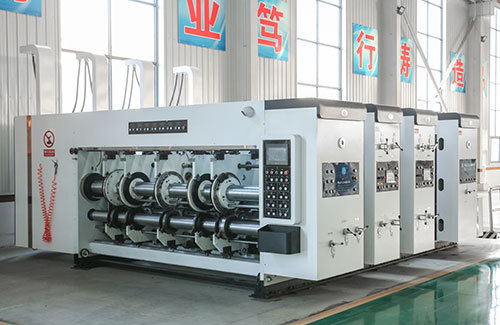
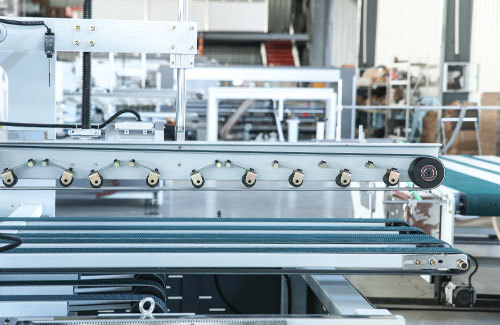
Vacuum transfer technology utilizes suction mechanisms to move materials efficiently along a production line. By creating a vacuum that holds the cardboard firmly, this technology ensures consistent positioning and alignment during critical stages of printing and slotting. The system comprises various components, including vacuum pumps, suction cups, and control units, which work in harmony to facilitate seamless material handling.
The Mechanics of Vacuum Transfer Systems
The core mechanics involve generating a vacuum that creates a pressure differential sufficient to lift and transport materials. This process can be finely tuned to accommodate various types of cardboard, from lightweight sheets to denser materials, ensuring that the transfer is both effective and safe.
The Importance of Vacuum Transfer in Manufacturing
As industries strive for improved productivity and reduced operational costs, vacuum transfer technology has emerged as a key player. The importance of this technology lies in its ability to enhance precision and efficiency, which are critical in competitive markets like cardboard printing and slotting.
Enhancing Production Efficiency
Implementing vacuum transfer systems can significantly accelerate production cycles. By automating the material handling process, manufacturers can decrease manual labor and reduce the time spent on each production phase. This increased efficiency translates directly into higher output and profitability.
Improving Material Handling Safety
Safety is paramount in manufacturing environments. Vacuum transfer reduces the risk of accidents associated with manual handling, as it minimizes the need for workers to lift heavy sheets of cardboard. This not only protects employees but also maintains the integrity of the materials being processed.
Applications of Vacuum Transfer in Cardboard Printing
Vacuum transfer technology has numerous applications within the cardboard printing realm. It plays a critical role in ensuring high-quality output by providing accurate positioning during printing processes.
Precision Printing
In printing, achieving precision is vital. Vacuum transfer systems hold the cardboard in place, preventing any misalignment that could lead to errors or defects in the final product. This level of precision is crucial for brands that rely on high-quality visuals for marketing and packaging.
Speeding Up Production Lines
Fast-paced production lines require systems that can keep up with demand. Vacuum transfer technology allows for rapid loading and unloading of materials, reducing downtime and maximizing throughput. This capability is essential during peak production periods, helping manufacturers meet consumer demand without sacrificing quality.
Benefits of Using Vacuum Transfer in Slotting Processes
In addition to its applications in printing, vacuum transfer also plays a significant role in slotting processes within the cardboard manufacturing sector. The benefits are manifold:
Reduction in Waste
One of the most significant advantages of vacuum transfer technology is waste reduction. By ensuring that the cardboard is accurately positioned during slotting, manufacturers can minimize material wastage due to miscuts or errors in alignment.
Enhanced Quality Control
Quality control is critical in the production of cardboard products. Vacuum transfer systems enhance quality control measures by facilitating uniform handling and processing of materials. This consistency leads to better end products, which ultimately satisfy customer expectations.
Challenges in Implementing Vacuum Transfer Systems
Despite the numerous benefits, the implementation of vacuum transfer technology is not without its challenges. Manufacturers often face issues related to the initial investment costs and the complexity of integrating new systems into existing workflows.
Initial Investment Costs
The upfront costs associated with acquiring and installing vacuum transfer systems can be significant. However, it is crucial to view this as a long-term investment. The efficiency gains, reduced labor costs, and enhanced product quality often outweigh the initial expenditures.
Integration with Existing Systems
Integrating new vacuum transfer technology with existing machinery can pose challenges. Manufacturers must ensure that all components work seamlessly together, which may require specialized expertise. Collaborating with experienced suppliers can help mitigate these integration issues.
Future Trends in Vacuum Transfer and Cardboard Manufacturing
As technology advances, we can expect to see several trends emerge in the application of vacuum transfer systems within cardboard printing and slotting.
Increased Automation
The future of manufacturing is heavily leaning toward automation. Vacuum transfer systems will be integrated with other automated technologies, such as robotics and artificial intelligence. This will further enhance efficiency, reduce human error, and streamline operations.
Advanced Materials and Eco-Friendly Solutions
As sustainability becomes a focal point in manufacturing, vacuum transfer systems will likely adapt to handle a wider range of eco-friendly materials. The adaptability of these systems will be crucial in supporting the shift towards sustainable cardboard products.
Conclusion: The Path Ahead for Cardboard Printing and Slotting
In conclusion, vacuum transfer technology is transforming the landscape of cardboard printing and slotting. Its ability to enhance efficiency, reduce waste, and improve safety makes it an indispensable tool for modern manufacturers. As we move forward, the integration of advanced technologies and sustainable practices will further solidify the role of vacuum transfer systems in the cardboard manufacturing industry. Embracing these innovations will not only improve operational efficiency but also set the stage for future growth and success.
Frequently Asked Questions
1. What is the primary function of vacuum transfer systems?
Vacuum transfer systems are designed to lift and transport materials along production lines using suction mechanisms, ensuring precise handling and alignment during printing and slotting processes.
2. How do vacuum transfer systems improve production efficiency?
By automating material handling, vacuum transfer systems reduce manual labor, decrease downtime, and accelerate production cycles, leading to greater overall efficiency.
3. Are there safety benefits associated with vacuum transfer technology?
Yes, vacuum transfer systems minimize the need for manual handling of heavy materials, reducing the risk of workplace accidents and protecting employee safety.
4. What challenges might manufacturers face when implementing vacuum transfer systems?
Manufacturers may encounter challenges related to initial investment costs and the complexity of integrating new systems with existing machinery. However, these challenges can often be mitigated with proper planning and expertise.
5. What future trends can we expect in vacuum transfer technology?
Future trends may include increased automation, integration with robotics, and the ability to handle eco-friendly materials, supporting sustainability in the cardboard manufacturing sector.
TAG:
Recommended News
Service hotline
Cangzhou Mingyang Machinery Co., Ltd
Tel: 8615903277888
Email: christina@mingyang-machinery.com
Address: Room 1108, Building S4, Cangzhou Wuyue Plaza, Yunquan District, Cangzhou City, Hebei Province