
Maximize Efficiency: The Ultimate Guide to Sun Feeder Printing Slotting Die Cutting Machines
2025-01-23
Maximize Efficiency: The Ultimate Guide to Sun Feeder Printing Slotting Die Cutting Machines
Table of Contents
1. Understanding Sun Feeder Printing Slotting Die Cutting Machines
2. Key Features of Sun Feeder Printing Slotting Die Cutting Machines
3. Benefits of Using Sun Feeder Machines
4. How to Choose the Right Machine for Your Needs
5. Best Practices for Operating Sun Feeder Machines Efficiently
6. Maintenance Tips for Longevity and Performance
7. Common Issues and Troubleshooting Strategies
8. Future Trends in Die Cutting Technology
9. Frequently Asked Questions (FAQs)
10. Conclusion
1. Understanding Sun Feeder Printing Slotting Die Cutting Machines
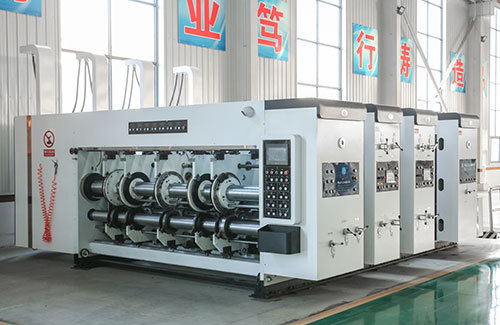
Sun Feeder Printing Slotting Die Cutting Machines are specialized tools designed for the printing and packaging industries. These machines combine printing, slotting, and die-cutting features to streamline the production process. They cater to various applications, from creating intricate designs on packaging materials to producing high-volume printed products.
At their core, Sun Feeder machines enhance efficiency by integrating multiple functions into a single operation. This capability reduces the need for separate machines, thereby saving time and resources. Understanding how these machines work is crucial for maximizing their potential in your production line.
2. Key Features of Sun Feeder Printing Slotting Die Cutting Machines
When evaluating Sun Feeder machines, it is essential to consider their key features:
2.1 Advanced Printing Technology
Many Sun Feeder machines incorporate cutting-edge printing technologies, such as flexographic or digital printing, allowing for high-resolution images and vibrant colors. This capability can enhance the visual appeal of your products.
2.2 Precision Slotting
Slotting is a crucial feature that enables precise cuts and shapes in the material. High-quality slotting ensures that packaging fits together seamlessly, improving the overall functionality of the finished product.
2.3 Die-Cutting Capabilities
The die-cutting feature allows for intricate designs and shapes to be cut from various materials, including cardboard, paper, and plastic. This versatility makes Sun Feeder machines ideal for various applications.
2.4 Automation and Control Systems
Modern Sun Feeder machines often come equipped with advanced automation systems that enhance control over the printing and cutting processes. These systems allow operators to set parameters quickly and monitor production in real time, leading to greater efficiency.
3. Benefits of Using Sun Feeder Machines
Investing in Sun Feeder Printing Slotting Die Cutting Machines offers numerous advantages that can significantly impact your production process:
3.1 Increased Productivity
By combining multiple functions into one machine, Sun Feeder machines dramatically reduce operational time. This increased productivity translates to higher output and better profitability.
3.2 Cost Efficiency
Utilizing a single machine for multiple operations can lead to significant cost savings in terms of both equipment and labor. Fewer machines mean lower maintenance costs and reduced energy consumption.
3.3 Versatility
Sun Feeder machines can handle a variety of materials and applications, making them suitable for different industries. This versatility allows businesses to adapt quickly to changing market demands.
3.4 Enhanced Quality
The precision offered by Sun Feeder machines ensures consistent quality in prints and cuts, leading to fewer errors and waste. This focus on quality enhances customer satisfaction and brand reputation.
4. How to Choose the Right Machine for Your Needs
Selecting the ideal Sun Feeder machine for your operations requires careful consideration of several factors:
4.1 Assess Your Production Volume
Understanding your production volume is crucial. High-volume manufacturers may require faster machines with greater automation capabilities, while smaller operations might benefit from more compact units.
4.2 Consider Material Types
Evaluate the types of materials you will be working with. Ensure that the selected machine can handle these materials without compromising quality.
4.3 Evaluate Your Budget
Investment costs vary significantly among different models. It is essential to balance your budget with the features and capabilities that best meet your business needs.
4.4 Research Brand Reputation
Choose reputable manufacturers known for quality and reliable customer service. Reading reviews and testimonials can provide valuable insights into a machine's performance and durability.
5. Best Practices for Operating Sun Feeder Machines Efficiently
To maximize the efficiency of your Sun Feeder machines, implement these best practices:
5.1 Regular Training for Operators
Ensure that all operators receive thorough training on the machine's features and functions. Well-trained operators can identify and resolve issues quickly, minimizing downtime.
5.2 Optimize Workflows
Analyze your production workflows to identify bottlenecks. Streamlining processes can lead to enhanced efficiency and quicker turnaround times.
5.3 Monitor Performance Metrics
Keep track of key performance indicators (KPIs) such as production speed, error rates, and material waste. Monitoring these metrics allows for continual improvements and adjustments.
5.4 Implement Preventive Maintenance
Regular maintenance is critical for keeping machines in optimal working condition. Schedule routine checks and repairs to prevent unexpected breakdowns.
6. Maintenance Tips for Longevity and Performance
Proper maintenance is essential for extending the lifespan and maintaining the performance of your Sun Feeder machines:
6.1 Keep Machines Clean
Regularly clean the machine to prevent dust and debris from affecting performance. This includes cleaning print heads, rollers, and cutting blades.
6.2 Lubricate Moving Parts
Ensure that all moving parts are adequately lubricated to reduce friction and wear. This proactive approach helps avoid costly repairs and downtime.
6.3 Inspect for Wear and Tear
Regularly inspect components for signs of wear and replace them as necessary. Addressing issues early can prevent more significant problems down the line.
6.4 Follow Manufacturer Guidelines
Adhere to the manufacturer's maintenance guidelines and schedules. These recommendations are crucial for ensuring optimal performance and longevity.
7. Common Issues and Troubleshooting Strategies
Even the best machines may encounter issues. Here are some common problems and their solutions:
7.1 Print Quality Issues
If you notice inconsistencies in print quality, check the ink levels and ensure that the print heads are clean and correctly aligned.
7.2 Paper Jams
Paper jams can be frustrating. Always ensure that you are using the correct type and size of paper for your machine, and regularly check for any debris in the feed area.
7.3 Cutting Errors
For cutting discrepancies, recalibrate the machine settings and inspect the blades for dullness or damage. Blade replacement may be necessary.
7.4 Machine Not Starting
If the machine fails to start, check power connections and ensure that emergency stop buttons are not engaged. Consult the manual for further troubleshooting steps.
8. Future Trends in Die Cutting Technology
The die cutting industry is evolving rapidly, driven by advancements in technology and changing market demands. Here are some emerging trends:
8.1 Smart Technology Integration
The integration of IoT and smart technologies into die cutting machines allows for enhanced monitoring and automation, leading to greater efficiency and reduced downtime.
8.2 Sustainable Practices
With an increased focus on sustainability, manufacturers are adopting eco-friendly practices, including using biodegradable materials and reducing waste during production.
8.3 Customization and Personalization
As consumer preferences shift towards personalized products, die cutting technology is adapting to allow for greater customization options, catering to niche markets.
9. Frequently Asked Questions (FAQs)
9.1 What is a Sun Feeder Printing Slotting Die Cutting Machine?
A Sun Feeder Printing Slotting Die Cutting Machine combines printing, slotting, and die-cutting functions, enhancing efficiency in the manufacturing process.
9.2 What types of materials can be used with these machines?
They can handle various materials, including cardboard, paper, and plastic, making them versatile for multiple applications.
9.3 How do I maintain my Sun Feeder machine?
Regular cleaning, lubrication, and following manufacturer guidelines for maintenance are crucial for optimal performance and longevity.
9.4 Can Sun Feeder machines produce custom designs?
Yes, these machines are capable of producing intricate custom designs, making them ideal for personalized products.
9.5 What should I do if I encounter a machine error?
Consult the user manual for troubleshooting steps. Common issues include print quality problems, paper jams, and cutting errors.
10. Conclusion
Sun Feeder Printing Slotting Die Cutting Machines present a powerful solution for businesses aiming to maximize efficiency in their production processes. By understanding their features, benefits, and operational best practices, manufacturers can leverage these machines effectively, ensuring improved productivity and quality in their outputs. As technology continues to evolve, staying informed about industry trends will further enhance your ability to adapt and thrive in a competitive landscape.
TAG:
Recommended News
Service hotline
Cangzhou Mingyang Machinery Co., Ltd
Tel: 8615903277888
Email: christina@mingyang-machinery.com
Address: Room 1108, Building S4, Cangzhou Wuyue Plaza, Yunquan District, Cangzhou City, Hebei Province