
Understanding the Essential Safety Protocols for Fully Automatic Printing Machines
2025-01-17
【SUMMARY】Understanding the Essential Safety Protocols for Fully Automatic Printing Machines
Table of Contents
1. Introduction to Fully Automatic Printing Machines
2. The Importance of Safety Protocols in Printing
3. Common Hazards Associated with Printing Machines
4. Key Safety Protocols for Fully Automatic Printing Machines
4.1 Operational Safety Procedures
Understanding the Essential Safety Protocols for Fully Automatic Printing Machines
Table of Contents
- 1. Introduction to Fully Automatic Printing Machines
- 2. The Importance of Safety Protocols in Printing
- 3. Common Hazards Associated with Printing Machines
- 4. Key Safety Protocols for Fully Automatic Printing Machines
- 4.1 Operational Safety Procedures
- 4.2 Importance of Personal Protective Equipment (PPE)
- 4.3 Emergency Procedures: What to Do in Case of an Incident
- 5. The Role of Staff Training in Safety Compliance
- 6. Maintenance Protocols for Enhanced Safety
- 7. Regulatory Compliance and Safety Standards
- 8. Conclusion
- 9. Frequently Asked Questions
1. Introduction to Fully Automatic Printing Machines
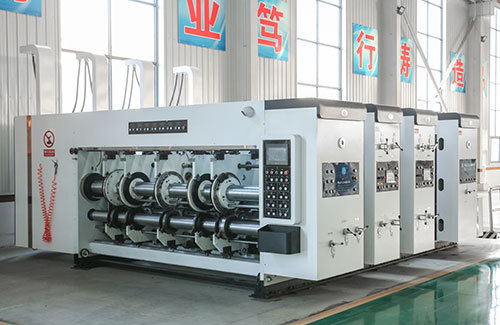
Fully automatic printing machines are pivotal in the manufacturing sector, particularly within the printing industry. These machines streamline operations, enhance productivity, and ensure high-quality outputs. However, with increased automation comes heightened responsibility regarding the safety of operators and the surrounding environment. Understanding safety protocols is essential to mitigate risks associated with operating these advanced machines.
2. The Importance of Safety Protocols in Printing
Safety protocols are crucial in any manufacturing environment, especially in printing facilities that utilize fully automatic machines. These protocols not only protect operators but also safeguard the integrity of the machines, product quality, and overall plant efficiency. A robust safety culture can lead to reduced downtime, lower liability costs, and enhanced employee morale.
3. Common Hazards Associated with Printing Machines
Operating fully automatic printing machines involves several potential hazards, including:
3.1 Mechanical Hazards
Mechanical hazards arise from moving parts, which can cause injuries if operators are not vigilant. Machine guards should always be in place to prevent accidental contact.
3.2 Electrical Hazards
Electrical hazards can occur due to improper wiring or malfunctioning components. Operators must be aware of the electrical systems in place and adhere to safety protocols when performing maintenance.
3.3 Chemical Hazards
Printing processes often involve various chemicals, including inks and solvents. These substances can pose health risks if not handled correctly.
3.4 Ergonomic Hazards
Repetitive motions and awkward postures can lead to musculoskeletal disorders over time. Implementing ergonomic assessments can help mitigate these risks.
4. Key Safety Protocols for Fully Automatic Printing Machines
To ensure a safe working environment, operators must adhere to specific safety protocols. Understanding and implementing these protocols can significantly reduce the risk of accidents.
4.1 Operational Safety Procedures
Before operating a fully automatic printing machine, operators should:
- **Conduct Pre-Operational Checks**: Inspect the machine for any visible defects or loose components.
- **Review Operating Procedures**: Familiarize oneself with the machine’s manual and operational guidelines.
- **Ensure Proper Signage**: Display safety instructions and hazard warnings prominently around the machine.
4.2 Importance of Personal Protective Equipment (PPE)
Personal protective equipment (PPE) is a critical aspect of ensuring operator safety. Essential PPE includes:
- **Safety Glasses**: Protects eyes from chemical splashes and flying debris.
- **Gloves**: Provides hand protection against chemicals and sharp objects.
- **Ear Protection**: Necessary in noisy environments to prevent hearing loss.
- **Respirators**: Essential when working with volatile organic compounds (VOCs) or other harmful substances.
4.3 Emergency Procedures: What to Do in Case of an Incident
In the event of an emergency, having clear procedures in place can save lives. Operators should:
- **Know Emergency Exits**: Familiarize themselves with the location of emergency exits and evacuation routes.
- **Learn First Aid**: Basic first aid training can equip employees to handle minor injuries until professional help arrives.
- **Report Incidents Promptly**: Any accidents or near misses should be reported immediately to ensure proper investigation and prevention measures.
5. The Role of Staff Training in Safety Compliance
Regular training is vital for maintaining safety in printing facilities. Operators must undergo initial training on machine operation and safety protocols, followed by ongoing education to stay updated on new practices and technologies. This continuous learning ensures that everyone is informed about potential hazards and the latest equipment features.
6. Maintenance Protocols for Enhanced Safety
Regular maintenance of printing machines is essential for safe operation. Implementing a proactive maintenance schedule helps identify potential issues before they escalate. Key maintenance tasks include:
- **Routine Inspections**: Conducting daily checks for wear and tear.
- **Lubrication**: Ensuring moving parts are lubricated to prevent friction and overheating.
- **Calibration**: Regularly calibrating machines to maintain accuracy and efficiency.
7. Regulatory Compliance and Safety Standards
Adhering to local and international safety regulations is crucial for printing operations. Compliance with standards such as OSHA (Occupational Safety and Health Administration) ensures that facilities maintain a safe working environment. Regular audits help verify compliance and identify areas for improvement.
8. Conclusion
Understanding and implementing safety protocols for fully automatic printing machines is vital for ensuring a safe working environment. By prioritizing operational safety procedures, personal protective equipment, and regular training, organizations can significantly reduce the risk of accidents and enhance overall productivity. A commitment to safety not only protects employees but also contributes to the long-term success of the business.
9. Frequently Asked Questions
Q1: What safety equipment is essential for operating printing machines?
A1: Essential safety equipment includes safety glasses, gloves, ear protection, and respirators, depending on the materials used.
Q2: How often should staff training occur?
A2: Staff training should be conducted initially, followed by regular refresher courses at least annually or whenever new equipment or processes are introduced.
Q3: What should be included in a maintenance schedule for printing machines?
A3: A maintenance schedule should include routine inspections, lubrication, calibration, and cleaning of machines.
Q4: How can ergonomic risks be minimized in a printing environment?
A4: Ergonomic risks can be minimized by assessing workstations, implementing proper lifting techniques, and encouraging regular breaks.
Q5: What are the consequences of neglecting safety protocols?
A5: Neglecting safety protocols can lead to accidents, injuries, legal liabilities, and decreased productivity. Prioritizing safety is essential for the well-being of employees and the success of the business.
TAG:
Recommended News
Service hotline
Cangzhou Mingyang Machinery Co., Ltd
Tel: 8615903277888
Email: christina@mingyang-machinery.com
Address: Room 1108, Building S4, Cangzhou Wuyue Plaza, Yunquan District, Cangzhou City, Hebei Province