
Enhancing Your Packaging with Precision: The Role of Die Cutting in Computer Type Carton Box Printing
2024-12-18
【SUMMARY】Enhancing Your Packaging with Precision: The Role of Die Cutting in Computer Type Carton Box Printing
Table of Contents
1. Introduction to Die Cutting in Packaging
2. What is Die Cutting?
3. The Importance of Die Cutting in Computer Type Carton Box Printing
4. Benefits of Die Cutting for Packaging Solutions
5. Types of Die Cutting Techniques Used in Packaging
Enhancing Your Packaging with Precision: The Role of Die Cutting in Computer Type Carton Box Printing
Table of Contents
- 1. Introduction to Die Cutting in Packaging
- 2. What is Die Cutting?
- 3. The Importance of Die Cutting in Computer Type Carton Box Printing
- 4. Benefits of Die Cutting for Packaging Solutions
- 5. Types of Die Cutting Techniques Used in Packaging
- 6. The Process of Die Cutting for Carton Boxes
- 7. Applications of Die Cutting in Packaging
- 8. The Future of Die Cutting Technology in Packaging
- 9. Frequently Asked Questions
- 10. Conclusion
1. Introduction to Die Cutting in Packaging
In the dynamic world of packaging, **die cutting** stands out as a transformative process that enhances the visual appeal and functionality of products. With the rise of **computer type carton box printing**, businesses are increasingly relying on die cutting techniques to create packaging that not only protects their products but also attracts consumers. The precise cuts and customized shapes achievable through die cutting differentiate brands in a competitive market.
2. What is Die Cutting?
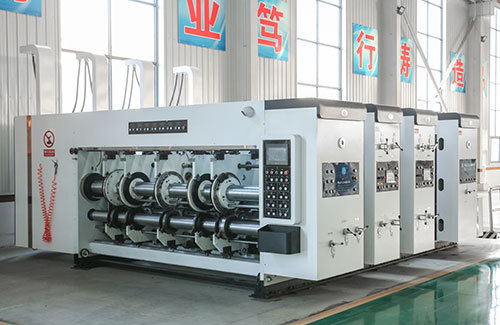
Die cutting is a manufacturing process that involves the use of a die, a specialized tool that shapes material by cutting it into specific patterns. This process is especially relevant in the packaging industry, where it allows for the creation of intricate designs and tailored shapes to meet a brand's needs. Die cutting can be applied to various materials, including cardboard, paper, and plastic, and is crucial for producing items such as boxes, labels, and promotional materials.
3. The Importance of Die Cutting in Computer Type Carton Box Printing
In the realm of **computer type carton box printing**, die cutting plays a vital role in ensuring that packaging is not only functional but also visually appealing. This technology allows businesses to create unique shapes and structures that can enhance brand recognition and shelf appeal. The precision of die cutting aids in maintaining consistency across production runs, minimizing waste, and ensuring that each box meets stringent quality standards.
4. Benefits of Die Cutting for Packaging Solutions
The advantages of implementing die cutting in packaging are manifold. Here are some of the key benefits:
4.1 Improved Efficiency
Die cutting machines can produce large volumes of packaging quickly and accurately, which streamlines the manufacturing process. This capability is crucial for businesses looking to scale operations without sacrificing quality.
4.2 Design Flexibility
With die cutting, brands can explore diverse design possibilities. Whether it’s custom shapes, intricate cutouts, or specific folding techniques, die cutting provides the flexibility needed to create innovative packaging solutions.
4.3 Cost-Effectiveness
Although initial setup costs may be higher, die cutting can reduce long-term expenses. By minimizing material waste and decreasing labor costs, businesses often find that die cutting is a more cost-effective solution for their packaging needs.
4.4 Enhanced Customer Experience
Packaging is often the first interaction consumers have with a product. Unique and well-designed packaging can enhance the customer experience, leading to greater satisfaction and brand loyalty.
5. Types of Die Cutting Techniques Used in Packaging
Understanding the different types of die cutting techniques can help businesses choose the best option for their packaging needs. Here are three popular techniques:
5.1 Flat-Bed Die Cutting
Flat-bed die cutting involves a flat surface where the die cuts through the material. It's a versatile option suitable for both small and large print runs. This technique is ideal for creating complex shapes and designs, making it popular in the production of custom boxes.
5.2 Rotary Die Cutting
Rotary die cutting utilizes a cylindrical die to cut materials as they move along a conveyor belt. This method is highly efficient for high-volume production and is often used for packaging that requires uniformity, such as labels and cartons.
5.3 Digital Die Cutting
Digital die cutting is a modern approach that employs computer-controlled machines to cut materials. This technique allows for rapid prototyping and is particularly useful for short runs or custom designs. Digital die cutting offers flexibility and quick turnaround times, making it ideal for businesses that need to adapt to market demands swiftly.
6. The Process of Die Cutting for Carton Boxes
The die-cutting process involves several steps, each critical to ensuring the final product meets quality standards:
1. **Design Creation**: The process begins with designing the desired shape and structure using specialized software. This design is crucial for determining how the die will cut the material.
2. **Die Preparation**: Once the design is finalized, a die is created. This die is usually made from steel or another sturdy material capable of withstanding the cutting process.
3. **Material Selection**: The appropriate material for the carton box is selected based on factors such as strength, weight, and printability.
4. **Cutting**: The material is then fed into the die cutting machine, where it is precisely cut into the desired shape.
5. **Folding and Gluing**: After cutting, the boxes are folded and glued as necessary, preparing them for use or shipment.
6. **Quality Check**: The final step involves a thorough inspection to ensure that each box meets the required specifications and quality standards.
7. Applications of Die Cutting in Packaging
Die cutting finds applications across various sectors, enhancing packaging solutions in multiple ways:
7.1 Retail Packaging
In retail, packaging plays a vital role in attracting customers. Die-cut boxes with unique shapes and designs can create a memorable first impression, driving sales.
7.2 Food and Beverage Packaging
Food packaging must adhere to strict safety standards. Die cutting enables manufacturers to produce eye-catching boxes that also protect the contents effectively.
7.3 Electronics Packaging
Electronics require robust packaging to prevent damage during transportation. Die-cut solutions provide secure and tailored packaging options that cater to diverse electronic products.
7.4 Custom Boxes
Many businesses require custom packaging solutions that reflect their brand identity. Die cutting allows for the production of bespoke boxes that align with marketing strategies.
8. The Future of Die Cutting Technology in Packaging
As technology continues to evolve, the future of die cutting in packaging looks promising. Innovations such as **smart die cutting machines** equipped with AI and machine learning are set to revolutionize the industry. These advancements will lead to greater efficiency, reduced waste, and the ability to produce more complex designs with ease.
Furthermore, the increasing demand for sustainable packaging solutions is driving research into eco-friendly materials and processes. The integration of die cutting with sustainable practices will not only benefit the environment but also cater to the growing market of environmentally conscious consumers.
9. Frequently Asked Questions
1. What materials can be used in die cutting?
Die cutting can be performed on various materials, including cardboard, paper, plastic, and vinyl, making it a versatile option for different packaging needs.
2. How does die cutting improve packaging design?
Die cutting allows for intricate designs and custom shapes, enhancing the visual appeal and functionality of packaging, which can positively impact consumer engagement.
3. Is die cutting suitable for small production runs?
Yes, particularly with digital die cutting technologies, businesses can produce small runs efficiently, allowing for quick adaptations to design changes.
4. Can die cutting be integrated with printing processes?
Absolutely! Die cutting can be seamlessly integrated with various printing processes, allowing for the creation of complex printed designs on the final product.
5. What are the cost factors associated with die cutting?
While setup costs for die cutting may vary, overall costs are often offset by reduced material waste and improved production efficiency in the long run.
10. Conclusion
Die cutting is a pivotal process in enhancing the packaging of computer type carton box printing. Its ability to create precise, unique designs not only improves the aesthetic appeal of packaging but also optimizes functionality and brand recognition. As technology progresses, the future of die cutting promises even greater advancements, allowing businesses to meet evolving market demands while maintaining sustainability. By leveraging die cutting, companies can elevate their packaging strategies, ensuring they stand out in a crowded marketplace.
TAG:
Recommended News
Service hotline
Cangzhou Mingyang Machinery Co., Ltd
Tel: 8615903277888
Email: christina@mingyang-machinery.com
Address: Room 1108, Building S4, Cangzhou Wuyue Plaza, Yunquan District, Cangzhou City, Hebei Province