
Choosing the Right Partition Assembler Machine for Your Manufacturing Needs
2024-12-12
【SUMMARY】Choosing the Right Partition Assembler Machine for Your Manufacturing Needs
In the world of manufacturing, selecting the right machinery can significantly impact efficiency, quality, and overall operational costs. Among the various types of machinery, partition assembler machines play a vital role in producing quality partitions for a wide range of industries. This article serves as a detailed gui
Choosing the Right Partition Assembler Machine for Your Manufacturing Needs
In the world of manufacturing, selecting the right machinery can significantly impact efficiency, quality, and overall operational costs. Among the various types of machinery, partition assembler machines play a vital role in producing quality partitions for a wide range of industries. This article serves as a detailed guide for manufacturers looking to invest in the right partition assembler machine tailored to their unique needs.
Understanding the Importance of Partition Assembler Machines
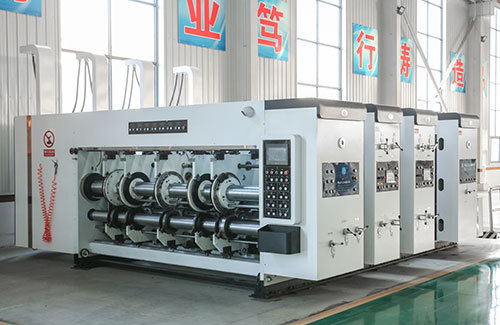
Partition assembler machines are specifically designed to assemble various types of partitions used in different applications, such as office spaces, residential areas, and commercial establishments. These machines streamline the assembly process, ensuring that the partitions are constructed with precision and consistency.
Why You Need a High-Quality Partition Assembler Machine
Investing in a high-quality partition assembler machine can lead to:
- **Increased Efficiency**: Automating the assembly process allows for faster production rates and reduced labor costs.
- **Enhanced Quality Control**: Advanced machines provide better accuracy, leading to higher-quality finished products.
- **Cost Savings**: While the initial investment may be substantial, the long-term savings on labor and material costs can be significant.
Key Features to Consider When Choosing a Partition Assembler Machine
When selecting a partition assembler machine, several features must be considered to ensure it meets your manufacturing needs.
1. Automation Level
The level of automation greatly affects production speed and worker safety. Fully automated machines can operate with minimal human intervention, while semi-automated machines may require more manual labor. Assess your production volume and workforce capabilities when deciding on automation levels.
2. Machine Size and Footprint
The physical dimensions of the machine are critical, especially if you have limited floor space. Consider the size of the machine in relation to your production area and whether it can accommodate future growth.
3. Material Compatibility
Different materials require different assembly methods. Ensure that the machine you choose can handle the materials you intend to work with, whether it’s plywood, MDF, or other types of board.
4. Customization Options
Look for machines that offer customization options to cater to specific production requirements. Features like adjustable settings for different partition styles and sizes can enhance versatility.
5. Maintenance and Support
Regular maintenance ensures longevity and optimal performance. Assess the support offered by the manufacturer, including warranty, spare parts availability, and technical assistance.
Evaluating Your Manufacturing Needs
Before making a purchase, it’s crucial to evaluate your specific manufacturing needs. Consider the following factors:
1. Production Volume
Determine the volume of partitions you need to produce regularly. High-volume production may necessitate a more robust, high-capacity machine.
2. Types of Products
Understand the types of partitions you’ll be assembling, as this will dictate the features you need in a machine. For instance, if you require soundproof partitions, the machine should cater to that requirement.
3. Budget Constraints
Set a realistic budget that encompasses not only the purchase price but also installation and ongoing operational costs. Balance quality with cost to achieve the best value.
Comparing Different Partition Assembler Machines
Once you’ve outlined your needs, it’s time to compare different machines on the market.
Top Brands in Partition Assembler Machines
- **Brand A**: Known for its high-speed capabilities and durability, ideal for large-scale manufacturing.
- **Brand B**: Offers customizable options and advanced technology for precision assembly.
- **Brand C**: Focuses on affordability without compromising on quality, suitable for small to medium-sized businesses.
Evaluating Performance Metrics
When comparing machines, look at key performance metrics such as:
- **Assembly Speed**: Faster machines can help meet tight deadlines.
- **Energy Consumption**: Energy-efficient machines can reduce operational costs.
- **User-Friendly Interface**: A machine with an intuitive interface can minimize training time for operators.
How to Ensure a Smooth Transition to New Machinery
Investing in new machinery can be a significant change for any manufacturing operation. To ensure a smooth transition:
1. Train Your Staff
Provide comprehensive training to all operators to familiarize them with the new machine's features and functionality.
2. Plan for Downtime
Anticipate some downtime during the installation and initial operation phases. Schedule these changes during low-production periods to minimize impact.
3. Monitor Performance Closely
Once the machine is operational, monitor its performance closely. This helps identify any issues early on and allows for timely interventions.
Common Mistakes to Avoid When Choosing a Partition Assembler Machine
Making the wrong choice can lead to production inefficiencies and increased costs. Here are common pitfalls to avoid:
1. Not Conducting Sufficient Research
Failing to thoroughly research different machines can result in overlooking better options that might suit your needs more effectively.
2. Ignoring Customer Reviews
Customer reviews can provide invaluable insights into a machine's performance and reliability. Be sure to read reviews from multiple sources.
3. Underestimating Ongoing Costs
Beyond the initial purchase price, consider ongoing costs such as maintenance, repairs, and operational costs to ensure budget alignment.
FAQs About Partition Assembler Machines
1. What is a partition assembler machine?
A partition assembler machine is a specialized piece of equipment designed to efficiently assemble partitions for various applications in manufacturing.
2. How do I know which partition assembler machine is right for my business?
Assess your production volume, the types of materials you'll be using, and your budget to determine which machine meets your specific needs.
3. Are automated machines worth the investment?
Yes, automated machines can significantly enhance production speed and efficiency, making them a worthwhile investment for many manufacturers.
4. Can I customize the features of a partition assembler machine?
Many manufacturers offer customization options to suit specific production requirements, allowing you to tailor the machine to your needs.
5. How often should I maintain my partition assembler machine?
Regular maintenance checks are recommended to ensure optimal performance, usually on a quarterly or bi-annual basis, depending on usage.
Conclusion
Choosing the right partition assembler machine is a critical decision that can impact your manufacturing efficiency and product quality. By carefully assessing your needs, comparing different machines, and avoiding common pitfalls, you can find the perfect fit for your production line. Remember to consider factors like automation levels, material compatibility, and ongoing costs to ensure your investment pays off in the long run. With the right machine, you will enhance your operational capabilities and drive your manufacturing success.
TAG:
Recommended News
Service hotline
Cangzhou Mingyang Machinery Co., Ltd
Tel: 8615903277888
Email: christina@mingyang-machinery.com
Address: Room 1108, Building S4, Cangzhou Wuyue Plaza, Yunquan District, Cangzhou City, Hebei Province