
Partition Assembler Machines: A Comprehensive Exploration of Their Mechanisms and Applications
2024-12-06
【SUMMARY】Partition Assembler Machines: A Deep Dive into Their Working Mechanisms
Table of Contents
Introduction to Partition Assembler Machines
What is a Partition Assembler Machine?
Key Components of Partition Assembler Machines
Working Mechanisms of Partition Assembler Machines
Applications in the Paper Processing Industry
Advantages of Using Partition Assembler Machines
Main
Partition Assembler Machines: A Deep Dive into Their Working Mechanisms
Table of Contents
- Introduction to Partition Assembler Machines
- What is a Partition Assembler Machine?
- Key Components of Partition Assembler Machines
- Working Mechanisms of Partition Assembler Machines
- Applications in the Paper Processing Industry
- Advantages of Using Partition Assembler Machines
- Maintenance and Care for Optimal Performance
- Future Trends in Partition Assembly Technology
- Conclusion
- FAQs about Partition Assembler Machines
Introduction to Partition Assembler Machines
In the ever-evolving landscape of the manufacturing sector, **Partition Assembler Machines** play a crucial role in enhancing productivity and efficiency, particularly in the paper processing industry. These machines are designed to automate the assembly of partitions—components essential for various products, including packaging materials and display units. Understanding their workings is vital for industry professionals aiming to optimize production processes.
What is a Partition Assembler Machine?
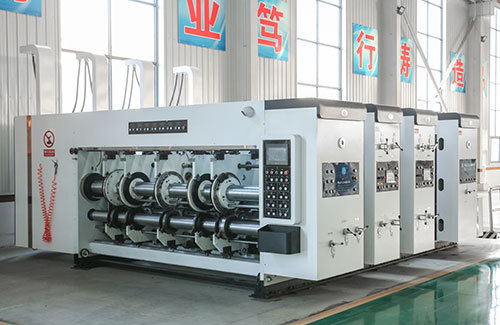
A **Partition Assembler Machine** is a specialized piece of equipment used to assemble partitions or dividers from paper or cardboard materials. By utilizing advanced technology, these machines streamline the assembly process, reduce labor costs, and improve product consistency. They can handle a variety of materials and are often tailored to specific production needs.
Types of Partition Assembler Machines
Partition Assembler Machines come in various configurations to meet different production demands. The most common types include:
- Single-Head Assemblers: Designed for smaller production runs with limited complexity.
- Multi-Head Assemblers: Capable of handling multiple partitions simultaneously for larger-scale production.
- Automated Systems: Incorporate robotics and advanced control systems for fully automated assembly processes.
Key Components of Partition Assembler Machines
Understanding the key components of a Partition Assembler Machine is essential for grasping its functionality. The primary components include:
1. Feed System
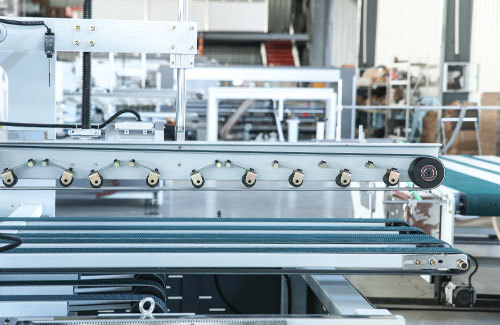
The feed system is responsible for supplying raw materials (paper or cardboard) to the machine for processing. It can include rollers, belts, or conveyors designed to handle various material sizes and types.
2. Assembly Mechanism
The assembly mechanism is the core of the machine. It may incorporate various tools such as glue applicators, folding mechanisms, and pressing units to ensure that partitions are assembled accurately and securely.
3. Control System
Modern Partition Assembler Machines are equipped with sophisticated control systems that allow operators to program and monitor the entire assembly process. These systems enhance precision and reduce the likelihood of errors.
4. Output System
The output system delivers the finished partitions, which may involve stacking, wrapping, or packaging for distribution. This component ensures that the final product is ready for shipment or further processing.
Working Mechanisms of Partition Assembler Machines
The working mechanisms of Partition Assembler Machines involve several intricate processes that occur in a sequential manner.
1. Material Loading
The process begins with the loading of raw materials into the feed system. This can be done manually or through an automated system, depending on the machine's design.
2. Material Processing
Once fed into the machine, the materials undergo several processing steps, including cutting, scoring, and shaping to prepare them for assembly.
3. Assembly Process
During the assembly phase, the machine's mechanics work to apply adhesives or folding techniques to join the partition components together. This process is critical to ensure that the partitions are sturdy and meet quality standards.
4. Quality Control
To ensure consistency and reliability, many Partition Assembler Machines incorporate quality control mechanisms that inspect the finished products for defects.
5. Output and Packaging
Finally, the finished partitions are ejected from the machine and can be stacked or packaged according to production requirements.
Applications in the Paper Processing Industry
Partition Assembler Machines have a wide array of applications within the **paper processing industry**. These applications extend beyond mere partition assembly, influencing various sectors, including:
1. Packaging Industry
In packaging, partitions play a crucial role in protecting products during transportation. Partition Assembler Machines ensure that these components are produced efficiently and reliably.
2. Retail Displays
Partitions are essential for creating attractive retail displays. These machines help retailers optimize their display designs while reducing assembly time.
3. Shipping and Handling
Properly assembled partitions enhance the safety and integrity of shipped goods. This is vital for industries that deal with fragile items.
4. Custom Solutions
Some manufacturers require custom partition designs to meet specific needs. Partition Assembler Machines can be adapted to create tailored solutions.
Advantages of Using Partition Assembler Machines
Investing in Partition Assembler Machines yields numerous benefits, including:
1. Increased Efficiency
Automation reduces the time required for assembly, leading to increased production rates without sacrificing quality.
2. Cost Savings
By minimizing labor requirements and material waste, companies can significantly reduce production costs.
3. Enhanced Quality Control
Machines offer more consistent assembly quality compared to manual processes, thereby reducing defects and returns.
4. Flexibility
These machines can be quickly reconfigured to accommodate different partition designs, allowing companies to adapt to market changes.
5. Improved Worker Safety
Automation reduces the need for manual handling of heavy materials, thus improving overall workplace safety.
Maintenance and Care for Optimal Performance
To ensure the longevity and optimal performance of Partition Assembler Machines, regular maintenance is essential. Key maintenance practices include:
1. Scheduled Inspections
Regular inspections help identify potential issues before they escalate into costly repairs.
2. Lubrication
Proper lubrication of moving parts ensures smooth operation and reduces wear and tear.
3. Cleaning
Keeping the machine clean prevents dust and debris from affecting its performance.
4. Calibration
Regular calibration of the control systems ensures that the machine operates within specified parameters.
Future Trends in Partition Assembly Technology
As technology continues to advance, the future of Partition Assembler Machines looks promising. Key trends to watch include:
1. Smart Manufacturing
The integration of IoT technology will enable machines to communicate and optimize processes in real-time.
2. Sustainable Practices
Innovations aimed at reducing material waste and utilizing eco-friendly materials will drive the industry forward.
3. Enhanced Customization
Future machines will likely offer even greater customization options, catering to the unique needs of different industries.
4. Advanced Robotics
The use of robotics will further automate assembly processes, enhancing precision and speed.
Conclusion
Partition Assembler Machines are a vital component in the paper processing industry, streamlining the assembly of partitions for various applications. By understanding their working mechanisms and benefits, businesses can make informed decisions about integrating these machines into their production lines. As technology continues to evolve, we can anticipate even greater advancements in partition assembly, further enhancing efficiency and quality in manufacturing processes.
FAQs about Partition Assembler Machines
1. What materials can Partition Assembler Machines work with?
Partition Assembler Machines typically work with various materials, including paper, cardboard, and sometimes plastics, depending on the design.
2. How does automation improve the efficiency of these machines?
Automation reduces the time and labor required for assembly, minimizes human error, and ensures consistent product quality.
3. Can these machines be customized for specific production needs?
Yes, many manufacturers offer customizable options tailored to specific partition designs and production requirements.
4. What maintenance is required for Partition Assembler Machines?
Regular maintenance includes scheduled inspections, lubrication, cleaning, and calibration to ensure optimal performance.
5. What are the benefits of using Partition Assembler Machines over manual assembly?
The benefits include increased efficiency, cost savings, enhanced quality control, flexibility, and improved worker safety.
TAG:
Recommended News
Service hotline
Cangzhou Mingyang Machinery Co., Ltd
Tel: 8615903277888
Email: christina@mingyang-machinery.com
Address: Room 1108, Building S4, Cangzhou Wuyue Plaza, Yunquan District, Cangzhou City, Hebei Province