
Unlocking the Potential of Fully Automatic Stitching Machines in Modern Manufacturing
2024-11-27
【SUMMARY】In the fast-paced world of manufacturing, efficiency and precision are paramount, especially when it comes to processes like stitching, which are crucial in various industries, including textiles, packaging, and more. Fully automatic stitching machines represent a significant leap forward in technology, integrating sophisticated automation to streamline operations and improve output quality.
A ful
In the fast-paced world of manufacturing, efficiency and precision are paramount, especially when it comes to processes like stitching, which are crucial in various industries, including textiles, packaging, and more. Fully automatic stitching machines represent a significant leap forward in technology, integrating sophisticated automation to streamline operations and improve output quality.
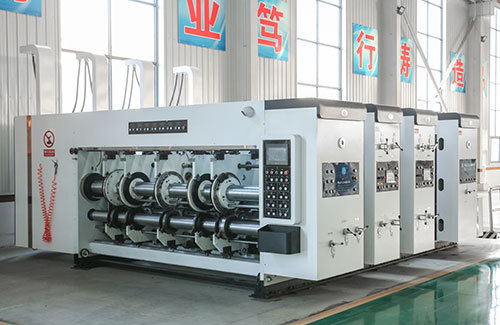
A fully automatic stitching machine is designed to perform stitching tasks without the need for constant manual intervention. This autonomy not only reduces labor costs but also minimizes human error, resulting in a consistent and high-quality finished product. The integration of advanced technology allows these machines to handle complex stitching patterns and materials, making them highly versatile for different manufacturing needs.
One of the primary advantages of fully automatic stitching machines is their speed. They can significantly increase production rates compared to manual stitching methods. This speed is particularly beneficial in industries where time is critical, such as in apparel production or packaging. By automating the stitching process, manufacturers can meet tighter deadlines and respond swiftly to market demands.
Moreover, the precision offered by fully automatic stitching machines is noteworthy. With advanced control systems and software, these machines can execute intricate designs with remarkable accuracy. This precision is essential in industries that require detailed work, such as automotive upholstery or high-end fashion. The ability to maintain consistent stitch quality throughout a production run decreases the likelihood of defects and waste, ultimately leading to more sustainable manufacturing practices.
Another significant feature of fully automatic stitching machines is their user-friendly interfaces. Many models come equipped with intuitive touchscreens and programmable settings, allowing operators to easily adjust parameters for different tasks. This ease of use not only shortens the learning curve for new employees but also enables experienced operators to optimize machine settings for maximum efficiency.
From a maintenance perspective, fully automatic stitching machines often include diagnostic tools that help monitor performance and identify issues before they escalate into costly breakdowns. Regular maintenance schedules can be established through these monitoring systems, ensuring that the machines operate at peak performance without unexpected downtimes.
In conclusion, fully automatic stitching machines are revolutionizing the landscape of manufacturing by enhancing speed, precision, and efficiency. As the industry continues to evolve, these machines will play an integral role in shaping the future of production processes across various sectors. Investing in fully automatic stitching technology can lead to significant improvements in operational productivity, ultimately benefiting businesses looking to stay competitive in a rapidly changing market.
A fully automatic stitching machine is designed to perform stitching tasks without the need for constant manual intervention. This autonomy not only reduces labor costs but also minimizes human error, resulting in a consistent and high-quality finished product. The integration of advanced technology allows these machines to handle complex stitching patterns and materials, making them highly versatile for different manufacturing needs.
One of the primary advantages of fully automatic stitching machines is their speed. They can significantly increase production rates compared to manual stitching methods. This speed is particularly beneficial in industries where time is critical, such as in apparel production or packaging. By automating the stitching process, manufacturers can meet tighter deadlines and respond swiftly to market demands.
Moreover, the precision offered by fully automatic stitching machines is noteworthy. With advanced control systems and software, these machines can execute intricate designs with remarkable accuracy. This precision is essential in industries that require detailed work, such as automotive upholstery or high-end fashion. The ability to maintain consistent stitch quality throughout a production run decreases the likelihood of defects and waste, ultimately leading to more sustainable manufacturing practices.
Another significant feature of fully automatic stitching machines is their user-friendly interfaces. Many models come equipped with intuitive touchscreens and programmable settings, allowing operators to easily adjust parameters for different tasks. This ease of use not only shortens the learning curve for new employees but also enables experienced operators to optimize machine settings for maximum efficiency.
From a maintenance perspective, fully automatic stitching machines often include diagnostic tools that help monitor performance and identify issues before they escalate into costly breakdowns. Regular maintenance schedules can be established through these monitoring systems, ensuring that the machines operate at peak performance without unexpected downtimes.
In conclusion, fully automatic stitching machines are revolutionizing the landscape of manufacturing by enhancing speed, precision, and efficiency. As the industry continues to evolve, these machines will play an integral role in shaping the future of production processes across various sectors. Investing in fully automatic stitching technology can lead to significant improvements in operational productivity, ultimately benefiting businesses looking to stay competitive in a rapidly changing market.
TAG:
Recommended News
Service hotline
Cangzhou Mingyang Machinery Co., Ltd
Tel: 8615903277888
Email: christina@mingyang-machinery.com
Address: Room 1108, Building S4, Cangzhou Wuyue Plaza, Yunquan District, Cangzhou City, Hebei Province