
Transforming Your Production Line with a Single Facer Machine: A Comprehensive Guide
2024-11-24
【SUMMARY】Transforming Your Production Line with a Single Facer Machine
Table of Contents
1. Introduction to Single Facer Machines
2. The Importance of Single Facer Machines in Modern Manufacturing
3. Key Components of a Single Facer Machine
4. Working Mechanism of Single Facer Machines
5. Benefits of Integrating a Single Facer Machine into Your Production Line
6. Installation and Setup: Best Practices
7. M
Transforming Your Production Line with a Single Facer Machine
Table of Contents
1. Introduction to Single Facer Machines
2. The Importance of Single Facer Machines in Modern Manufacturing
3. Key Components of a Single Facer Machine
4. Working Mechanism of Single Facer Machines
5. Benefits of Integrating a Single Facer Machine into Your Production Line
6. Installation and Setup: Best Practices
7. Maintenance Tips for Long-lasting Performance
8. Common Challenges and Solutions
9. Conclusion
10. Frequently Asked Questions (FAQs)
1. Introduction to Single Facer Machines
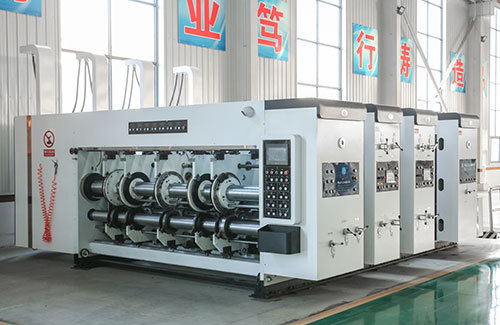
A **single facer machine** is a pivotal piece of equipment in the corrugated packaging industry. Primarily used in post-printing processes, this machine plays a critical role in the production line, ensuring smooth and efficient manufacturing of corrugated board. By transforming flat sheets into fluted structures, it enables businesses to meet the growing demand for packaging solutions that are both durable and cost-effective.
2. The Importance of Single Facer Machines in Modern Manufacturing
As the packaging industry evolves, companies are increasingly turning to **single facer machines** to enhance their production capabilities. This equipment not only streamlines the manufacturing process but also reduces labor costs and waste, contributing to a more sustainable operation. The ability to produce high-quality corrugated products quickly makes the single facer machine indispensable for businesses aiming to stay competitive in today’s market.
3. Key Components of a Single Facer Machine
Understanding the key components of a single facer machine is crucial for operators and decision-makers alike. Each component plays a specific role in the overall functionality of the machine:
3.1 Feed Section
The feed section is responsible for delivering flat sheets of linerboard to the machine. It ensures a consistent supply of material, which is vital for maintaining production speed.
3.2 Fluting Section
This section crafts the flute profiles in the corrugated medium. Various flute sizes can be produced, allowing for versatility in packaging options.
3.3 Heating and Drying Systems
These systems play a critical role in ensuring that the adhesives used in the lamination process cure properly, providing the necessary strength and durability to the final product.
3.4 Control Panel
Modern single facer machines come equipped with advanced control panels that allow operators to monitor and adjust settings in real-time, ensuring optimal performance.
4. Working Mechanism of Single Facer Machines
The operational process of a single facer machine involves several sequential steps. Initially, the flat linerboard is fed into the machine, where it passes through rollers that create the required flute structure. Once the flutes are formed, the machine applies adhesive to bond the fluted medium to the linerboard, followed by a drying phase to cure the adhesive. This seamless process results in a high-quality corrugated board ready for further processing.
5. Benefits of Integrating a Single Facer Machine into Your Production Line
Integrating a single facer machine into your production line offers numerous advantages:
5.1 Increased Efficiency
By automating the fluting and lamination processes, manufacturers can significantly increase their output, reducing the time taken to produce corrugated boards.
5.2 Cost-Effectiveness
The machine minimizes material waste and labor costs, ultimately leading to higher profit margins.
5.3 Quality Control
With advanced technology, single facer machines ensure consistent product quality, eliminating variations that can arise from manual processes.
5.4 Flexibility in Production
These machines can accommodate different flute sizes and thicknesses, providing manufacturers with flexibility in meeting diverse customer needs.
6. Installation and Setup: Best Practices
Proper installation and setup of a single facer machine are essential for optimal performance:
6.1 Site Preparation
Ensure that the installation site is adequately prepared, with sufficient space for the machine and any necessary auxiliary equipment. Consider factors such as electrical supply, ventilation, and accessibility for maintenance.
6.2 Calibration
After installation, calibration is crucial. Operators should adjust the machine settings according to the specifications of the materials being used to achieve the best results.
7. Maintenance Tips for Long-lasting Performance
To ensure your single facer machine operates efficiently over time, regular maintenance is key:
7.1 Routine Inspections
Conduct regular inspections to check for wear and tear on components. Early detection of issues can prevent costly breakdowns.
7.2 Lubrication
Keep moving parts well-lubricated to reduce friction and wear, enhancing the longevity of the machine.
7.3 Cleaning
Regularly clean the machine to remove adhesive residue and dust, which can hinder performance and affect product quality.
8. Common Challenges and Solutions
While single facer machines significantly enhance production lines, they are not without challenges:
8.1 Adhesive Issues
Inconsistent adhesive application can lead to weak bonds. Regular calibration and maintenance of the adhesive systems can mitigate this issue.
8.2 Material Jamming
Jamming can occur due to improper feeding or buildup of dust and debris. Regular cleaning and proper operator training can help prevent these problems.
8.3 Electrical Failures
Electrical issues can halt production. Implementing a preventive maintenance schedule that includes electrical inspections can reduce the likelihood of failures.
9. Conclusion
Incorporating a **single facer machine** into your production line can profoundly transform your manufacturing process. The benefits, from increased efficiency and cost-effectiveness to improved product quality, are undeniable. By understanding the mechanics, components, and best practices for installation and maintenance, businesses can leverage this technology to stay ahead in the competitive packaging landscape.
10. Frequently Asked Questions (FAQs)
1. What is a single facer machine?
A single facer machine is a piece of equipment used in the production of corrugated boards, creating fluted structures from flat sheets of material.
2. How does a single facer machine improve production efficiency?
By automating the fluting and lamination processes, a single facer machine significantly reduces production time and labor costs.
3. What are the maintenance requirements for a single facer machine?
Routine inspections, lubrication of moving parts, and regular cleaning are essential to maintain optimal performance.
4. Can a single facer machine produce various flute sizes?
Yes, single facer machines can accommodate different flute sizes, making them versatile for various packaging needs.
5. What common problems can occur with single facer machines?
Common issues include adhesive application inconsistencies, material jamming, and electrical failures, all of which can be mitigated through proper maintenance and operator training.
TAG:
Recommended News
Service hotline
Cangzhou Mingyang Machinery Co., Ltd
Tel: 8615903277888
Email: christina@mingyang-machinery.com
Address: Room 1108, Building S4, Cangzhou Wuyue Plaza, Yunquan District, Cangzhou City, Hebei Province