
Maximizing Efficiency: The Crucial Role of a Single Facer Machine in Post-Press Processing
2024-11-18
【SUMMARY】Maximizing Efficiency: The Crucial Role of a Single Facer Machine in Post-Press Processing
Table of Contents
1. Introduction to Single Facer Machines
2. Understanding Post-Press Processing
3. The Functionality of a Single Facer Machine
4. Key Benefits of Using a Single Facer Machine
4.1 Enhanced Efficiency in Production
4.2 Improved Material Utilization
4.3 Consistency and Quality Control
5. Appli
Maximizing Efficiency: The Crucial Role of a Single Facer Machine in Post-Press Processing
Table of Contents
1. Introduction to Single Facer Machines
2. Understanding Post-Press Processing
3. The Functionality of a Single Facer Machine
4. Key Benefits of Using a Single Facer Machine
4.1 Enhanced Efficiency in Production
4.2 Improved Material Utilization
4.3 Consistency and Quality Control
5. Applications of Single Facer Machines in Various Industries
5.1 Packaging Industry
5.2 Printing Industry
6. Best Practices for Operating a Single Facer Machine
6.1 Regular Maintenance and Inspections
6.2 Training for Operators
7. Future Trends in Single Facer Machine Technology
8. Conclusion
9. Frequently Asked Questions (FAQs)
1. Introduction to Single Facer Machines
In the realm of manufacturing, **Single Facer Machines** stand out as a pivotal component in the production of corrugated board. These machines are designed to enhance operational efficiencies in post-press processing, making them indispensable for businesses striving to meet the increasing demands for high-quality packaging solutions. Understanding their role is crucial for manufacturers looking to optimize their processes and maintain a competitive edge.
2. Understanding Post-Press Processing
Post-press processing encompasses all the steps taken after the printing phase to prepare the final product. This can include cutting, folding, gluing, and laminating. In the context of corrugated packaging, the efficiency of these processes significantly impacts overall production timelines and costs. The integration of technology, such as a **Single Facer Machine**, can streamline these operations, ensuring that the end product meets customer expectations in terms of quality and durability.
3. The Functionality of a Single Facer Machine
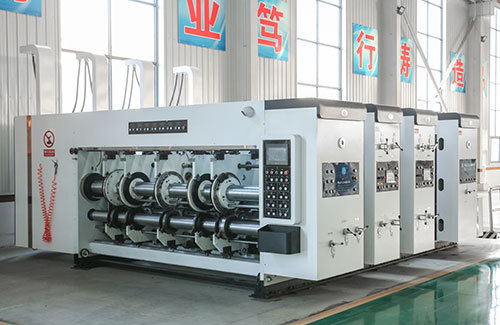
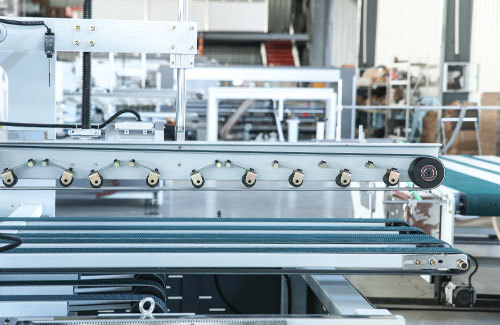
A **Single Facer Machine** functions by combining the inner liner and medium paper into a single sheet of corrugated board. It employs a series of rollers and adhesives to bond the materials, creating a sturdy foundation for further processing. This machine is essential for producing corrugated sheets used in various applications, including boxes, displays, and protective packaging.
The operation begins with unwinding the liner and medium paper. As the papers pass through the machine, they are subjected to pressure and heat, which activates the adhesive. This process creates a seamless bond that is critical for the strength and integrity of the final product.
4. Key Benefits of Using a Single Facer Machine
Integrating a Single Facer Machine into your production line offers numerous advantages. Here are some of the key benefits that can enhance your operations:
4.1 Enhanced Efficiency in Production
One of the most significant benefits of a Single Facer Machine is its ability to boost production efficiency. By automating the bonding process, these machines reduce the time taken to produce corrugated sheets, allowing manufacturers to meet tight deadlines without compromising quality. This efficiency translates to lower labor costs and increased output.
4.2 Improved Material Utilization
With the precise control that a Single Facer Machine provides, manufacturers can optimize their material usage. This means less waste during production, leading to cost savings and a more sustainable manufacturing process. By minimizing raw material wastage, businesses can significantly reduce their overall production costs.
4.3 Consistency and Quality Control
Maintaining consistent quality in corrugated products is vital for customer satisfaction. Single Facer Machines ensure uniformity in adhesion and paper bonding, resulting in high-quality output every time. Advanced technology in these machines allows for real-time adjustments, further enhancing quality control and reducing the risk of defects.
5. Applications of Single Facer Machines in Various Industries
Single Facer Machines are versatile and find applications across different industries. Their ability to produce high-quality corrugated sheets makes them essential in various sectors.
5.1 Packaging Industry
In the packaging industry, Single Facer Machines enable the production of durable and reliable packaging solutions. Whether for shipping products or retail display, the strength of corrugated packaging plays a crucial role in protecting goods during transit. The efficiency of these machines ensures that manufacturers can keep up with the increasing demand for sustainable packaging solutions.
5.2 Printing Industry
The printing industry also benefits from Single Facer Machines, especially when it comes to producing printed corrugated boards. These machines can seamlessly integrate into printing workflows, allowing for the production of visually appealing packaging that meets both aesthetic and functional requirements.
6. Best Practices for Operating a Single Facer Machine
To maximize the efficiency and lifespan of a Single Facer Machine, it's essential to implement best practices in operation and maintenance.
6.1 Regular Maintenance and Inspections
Routine maintenance and inspections are crucial for preventing breakdowns and ensuring optimal performance. Establishing a maintenance schedule can help identify potential issues before they escalate, leading to increased machine longevity and reliability.
6.2 Training for Operators
Adequate training for operators is essential in maximizing the machine's capabilities. Well-trained staff can operate the machine more efficiently, reduce downtime, and maintain high-quality standards throughout the production process.
7. Future Trends in Single Facer Machine Technology
The evolution of technology continues to shape the capabilities of Single Facer Machines. Future trends may include advancements in automation, integration with smart technology for enhanced monitoring and control, and improvements in energy efficiency. Keeping abreast of these innovations can help manufacturers stay competitive in a rapidly changing market.
8. Conclusion
The **Single Facer Machine** plays a pivotal role in maximizing efficiency within post-press processing. By integrating this technology into manufacturing operations, businesses can enhance productivity, reduce material waste, and ensure consistent quality. As industries continue to evolve, embracing the capabilities of these machines will be crucial for maintaining competitive advantage. Investing in a Single Facer Machine is not just a step towards better efficiency; it's a commitment to quality and sustainability in the manufacturing process.
9. Frequently Asked Questions (FAQs)
1. What is a Single Facer Machine used for?
A Single Facer Machine is primarily used to bond the inner liner and medium paper in the production of corrugated sheets, essential for packaging and display solutions.
2. How does a Single Facer Machine improve efficiency?
By automating the bonding process, a Single Facer Machine significantly reduces the time and labor costs associated with producing corrugated packaging, enhancing overall production efficiency.
3. What industries benefit from Single Facer Machines?
Industries such as packaging and printing benefit greatly from Single Facer Machines, as they produce high-quality corrugated products that are vital for shipping and retail displays.
4. How can I maintain my Single Facer Machine?
Regular maintenance and inspections, along with operator training, are essential for maintaining the machine's performance and longevity.
5. What future trends should I be aware of regarding Single Facer Machines?
Future trends may include advancements in automation, smart technology integration, and improvements in energy efficiency, which could further enhance the capabilities of Single Facer Machines.
TAG:
Recommended News
Service hotline
Cangzhou Mingyang Machinery Co., Ltd
Tel: 8615903277888
Email: christina@mingyang-machinery.com
Address: Room 1108, Building S4, Cangzhou Wuyue Plaza, Yunquan District, Cangzhou City, Hebei Province