
Unlocking Efficiency: How a Stitching Machine Revolutionizes Packaging Processes
2024-10-26
【SUMMARY】Unlocking Efficiency: How a Stitching Machine Revolutionizes Packaging Processes
Table of Contents
1. Introduction to Stitching Machines and Their Role in Packaging
2. Key Features of Modern Stitching Machines
3. The Advantages of Using Stitching Machines in Packaging
4. Types of Stitching Machines and Their Applications
4.1 Industrial Stitching Machines
4.2 Automatic vs. Manual Stitching Machines
Unlocking Efficiency: How a Stitching Machine Revolutionizes Packaging Processes
Table of Contents
1. Introduction to Stitching Machines and Their Role in Packaging
2. Key Features of Modern Stitching Machines
3. The Advantages of Using Stitching Machines in Packaging
4. Types of Stitching Machines and Their Applications
4.1 Industrial Stitching Machines
4.2 Automatic vs. Manual Stitching Machines
5. How Stitching Machines Improve Efficiency
5.1 Speed and Accuracy in Production
5.2 Cost-Effectiveness and Labor Savings
6. Selecting the Right Stitching Machine for Your Business
6.1 Assessing Your Packaging Needs
6.2 Important Features to Consider
7. Common FAQs About Stitching Machines
8. Conclusion: The Future of Packaging with Stitching Machines
1. Introduction to Stitching Machines and Their Role in Packaging
Stitching machines, essential tools in the packaging industry, play a crucial role in securing products while ensuring they are presented attractively. These machines automate the process of joining materials, which significantly enhances both productivity and quality. In an era where efficiency is paramount, businesses are increasingly turning to stitching machines as a solution to streamline packaging processes.
In this article, we will explore how stitching machines have revolutionized packaging, highlighting their benefits and features, and providing guidance on selecting the right equipment for your needs.
2. Key Features of Modern Stitching Machines
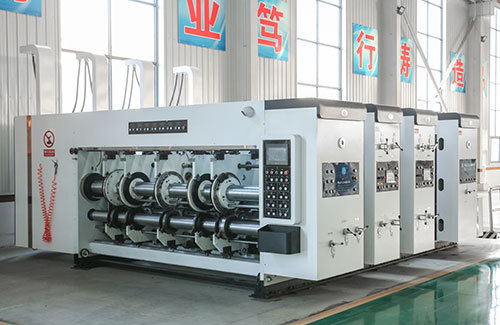
Modern stitching machines come equipped with a variety of features that enhance their functionality and ease of use. Some of the standout features include:
- **Automatic Thread Trimming**: This feature allows for quick and efficient cutting of thread at the end of each stitching cycle, reducing manual intervention and speeding up the workflow.
- **Variable Speed Control**: Operators can adjust the speed of the machine according to the complexity of the task, allowing for greater flexibility and control.
- **Digital Controls**: Many modern machines feature intuitive digital interfaces that simplify adjustments and monitoring, making it easier for operators to manage stitching tasks.
- **Durable Construction**: High-quality stitching machines are built to withstand heavy use, making them ideal for industrial applications.
These features collectively contribute to the machine's efficiency, enhancing the overall packaging process.
3. The Advantages of Using Stitching Machines in Packaging
Investing in stitching machines can yield several advantages for manufacturers and packagers:
- **Increased Productivity**: Stitching machines operate at high speeds, allowing businesses to produce more packaged goods in less time.
- **Enhanced Quality Control**: Automated stitching reduces the likelihood of human error, resulting in consistent and reliable stitching quality.
- **Cost Reduction**: By minimizing labor costs and reducing material waste, stitching machines can significantly enhance a company’s profit margins.
- **Versatility**: These machines can handle various materials and packaging types, making them suitable for a wide range of industries.
4. Types of Stitching Machines and Their Applications
Understanding the different types of stitching machines available can help businesses make informed decisions about their packaging processes.
4.1 Industrial Stitching Machines
Industrial stitching machines are designed for heavy-duty tasks. They can stitch through multiple layers of fabric, cardboard, or other materials, making them ideal for packaging items such as books, boxes, and bags.
4.2 Automatic vs. Manual Stitching Machines
Automatic stitching machines are engineered for high-volume production, while manual machines require more operator input. Businesses should assess their production needs to determine which type best suits their operation.
5. How Stitching Machines Improve Efficiency
Stitching machines significantly enhance efficiency in several ways:
5.1 Speed and Accuracy in Production
The operational speed of stitching machines allows for rapid packaging without compromising accuracy. This ensures that products are packaged securely and consistently, meeting customer expectations.
5.2 Cost-Effectiveness and Labor Savings
With the automation of the stitching process, companies can reduce labor costs and minimize the risk of injuries associated with manual stitching. This efficiency leads to reduced overhead when scaling production.
6. Selecting the Right Stitching Machine for Your Business
When choosing a stitching machine, it is essential to consider several factors to ensure it meets your specific needs.
6.1 Assessing Your Packaging Needs
Begin by analyzing your production requirements. Consider the types of products being packaged, the volume of production, and the materials used. This analysis will guide you in selecting a machine that can handle your unique packaging demands.
6.2 Important Features to Consider
Evaluate important features such as machine speed, stitch length, and ease of operation. A machine that is user-friendly and meets speed requirements will enhance your efficiency.
7. Common FAQs About Stitching Machines
**Q1: What materials can be used with stitching machines?**
A: Stitching machines can work with various materials, including paper, fabric, and plastics, depending on the machine's capabilities.
**Q2: How do I maintain my stitching machine?**
A: Regular maintenance involves cleaning the machine, inspecting for wear and tear, and ensuring that lubrication is applied where necessary.
**Q3: Are stitching machines noisy?**
A: Modern machines are designed for quieter operation, but noise levels may vary based on the machine’s make and model.
**Q4: Can stitching machines be used for small-scale production?**
A: Yes, there are smaller, more affordable models suitable for small businesses or low-volume production.
**Q5: What is the average lifespan of a stitching machine?**
A: With proper maintenance, stitching machines can last for many years, often exceeding a decade.
8. Conclusion: The Future of Packaging with Stitching Machines
In conclusion, stitching machines are revolutionizing the packaging industry by enhancing efficiency, reducing costs, and improving product quality. As businesses continue to embrace automation, the role of stitching machines will only expand, offering innovative solutions to meet the ever-increasing demands of the market. Investing in the right stitching equipment is not just a matter of keeping pace with competition; it is about unlocking new levels of productivity and establishing a sustainable business model for the future. By leveraging the advantages outlined in this article, companies can position themselves to thrive in an increasingly automated world.
TAG:
Recommended News
Service hotline
Cangzhou Mingyang Machinery Co., Ltd
Tel: 8615903277888
Email: christina@mingyang-machinery.com
Address: Room 1108, Building S4, Cangzhou Wuyue Plaza, Yunquan District, Cangzhou City, Hebei Province